12 Best Games Like Baldur's Gate 3
The best games like Baldur's Gate 3 offer reactive choices, memorable companions, character building and tactical combat, from Divinity to Solasta.
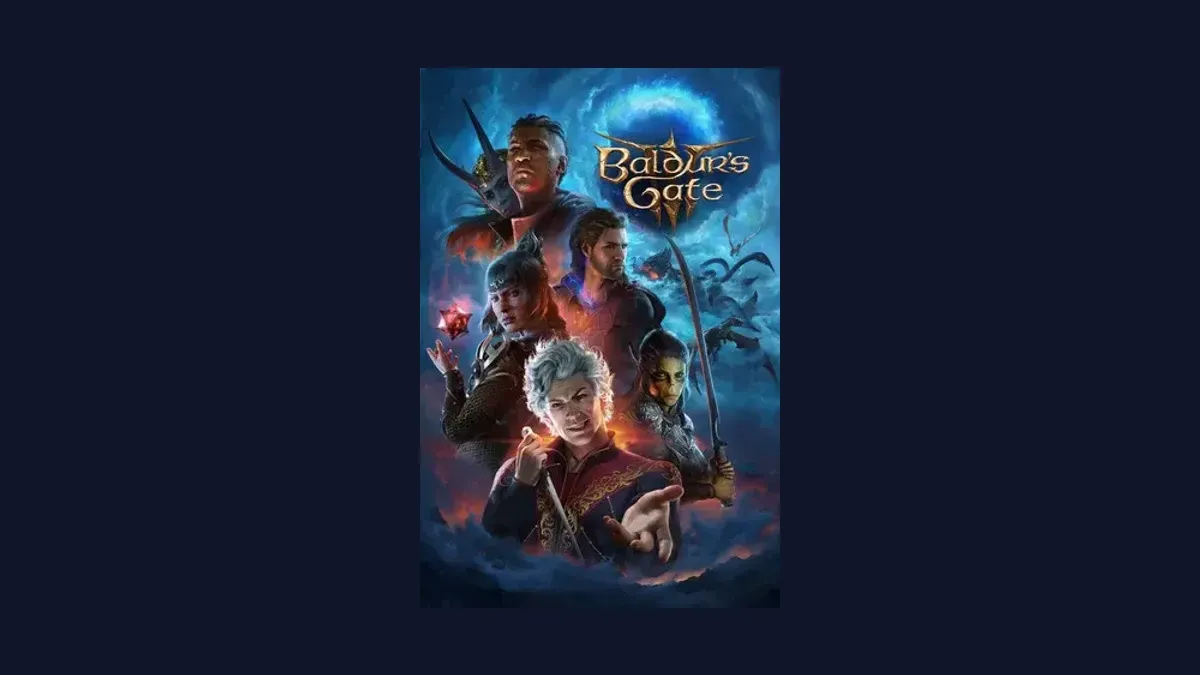
The best games like Baldur's Gate 3 combine reactive storytelling, memorable companions, flexible character builds and tactical battles. Divinity: Original Sin 2 - Definitive Edition is the closest overall match, while Solasta: Crown of the Magister offers the strongest alternative for players focused on tabletop-style combat and cooperative adventuring.
No single alternative recreates every part of Baldur's Gate 3. Some provide deeper character-building systems but less cinematic presentation. Others preserve consequential dialogue and companion relationships while replacing turn-based combat with real-time action or conversation-driven role-playing.
Best Baldur’s Gate 3 alternatives at a glance
| Rank | Game | Best for | Combat | Co-op |
|---|---|---|---|---|
| 1 | Divinity: Original Sin 2 | Closest overall alternative | Turn-based | Yes |
| 2 | Solasta: Crown of the Magister | Tabletop-style tactical combat | Turn-based | Yes |
| 3 | Pathfinder: Wrath of the Righteous | Deep character building | Turn-based or real-time with pause | No |
| 4 | Dragon Age: Origins | Classic fantasy companions | Real-time with pause | No |
| 5 | Warhammer 40,000: Rogue Trader | Science-fiction co-op CRPG | Turn-based | Yes |
| 6 | Pillars of Eternity II: Deadfire | Exploration and party freedom | Turn-based or real-time with pause | No |
| 7 | Wasteland 3 | Post-apocalyptic co-op tactics | Turn-based | Yes |
| 8 | Disco Elysium | Dialogue and role-playing | Dialogue-driven | No |
| 9 | Tyranny | Morally complex choices | Real-time with pause | No |
| 10 | Planescape: Torment | Philosophical storytelling | Real-time with pause | No |
| 11 | Clair Obscur: Expedition 33 | Cinematic turn-based action | Turn-based with real-time inputs | No |
| 12 | Shadowrun: Dragonfall | Compact cyberpunk CRPG | Turn-based | No |
1. Divinity: Original Sin 2 - Definitive Edition
Best overall alternative
Divinity: Original Sin 2 is the clearest next choice because it comes from Larian Studios and contains many of the design ideas later expanded in Baldur’s Gate 3. Players gather a party, explore freely, solve quests through several approaches and enter turn-based battles shaped by positioning and environmental interactions.
Combat encourages experimentation. Fire, water, poison, electricity and surfaces can combine in useful or dangerous ways. A route that looks blocked may be bypassed through movement abilities, teleportation, stealth or an environmental trick. Those possibilities make encounters feel like systems to manipulate rather than fixed sequences.
Origin characters can serve as the protagonist or party members, bringing personal quests and distinct perspectives. Cooperative play adds another layer because players can separate, pursue different conversations and make choices that create unexpected consequences for the group.
Why Baldur’s Gate 3 players should try it:
- Developed by Larian Studios
- Reactive quests and flexible problem-solving
- Environmental turn-based combat
- Origin characters and party stories
- Solo, online co-op and split-screen co-op
Main difference: It uses Larian’s Divinity rules and world rather than Dungeons & Dragons, and its conversations are presented less cinematically.
2. Solasta: Crown of the Magister
Best for Dungeons & Dragons-style tactics
Solasta: Crown of the Magister focuses on the mechanical side of a tabletop-inspired campaign. It uses the SRD 5.1 ruleset and emphasizes initiative, attacks of opportunity, spell components, light, elevation and tactical positioning.
Players create the entire party rather than recruiting a cast structured like Baldur’s Gate 3’s origin companions. Personality choices influence party dialogue, but the main attraction is building a balanced group and using each character’s abilities effectively.
Verticality is especially important. Characters can fly, climb and attack from elevated positions, while darkness and line of sight affect encounters. Online co-op allows a group to control the party together, making Solasta one of the strongest options for friends who want another tabletop-style campaign.
Why Baldur’s Gate 3 players should try it:
- Dice-driven rules based on SRD 5.1
- Detailed turn-based combat
- Full-party character creation
- Vertical battlefields and meaningful lighting
- Solo and online cooperative campaigns
Main difference: Storytelling and companion characterization are less cinematic and less reactive than Baldur’s Gate 3.
3. Pathfinder: Wrath of the Righteous - Enhanced Edition
Best for deep character customization
Pathfinder: Wrath of the Righteous is ideal for players who spent hours planning classes, feats and multiclass combinations in Baldur’s Gate 3. Its character system offers a vast number of classes, archetypes, spells, feats and mythic paths.
The mythic path is more than a late-game power boost. It can reshape abilities, story developments and the role a character occupies in the conflict against a demonic invasion. Choices can move the protagonist toward very different forms of power and influence how the campaign unfolds.
Combat can be played in turn-based mode or real-time with pause, allowing players to choose between deliberate tactical control and faster encounters. The scale is larger and the systems are denser than Baldur’s Gate 3, which makes it rewarding but potentially overwhelming for newcomers.
Why Baldur’s Gate 3 players should try it:
- Extensive classes, archetypes and feats
- Party-based fantasy adventure
- Consequential mythic paths
- Companion quests and relationships
- Switchable combat modes
Main difference: The rules are substantially more complex, and presentation relies more heavily on text and traditional isometric CRPG interfaces.
4. Dragon Age: Origins
Best classic fantasy party RPG
Dragon Age: Origins remains one of the strongest alternatives for players interested in companions, political decisions and the feeling of forming a party against an overwhelming threat. The selected origin changes the opening chapter and influences how parts of the world respond to the protagonist.
Companions have opinions, personal histories and reactions to major decisions. Building trust can reveal quests and dialogue, while repeated conflict can damage relationships. The campaign also presents political and ethical decisions whose effects extend beyond the immediate conversation.
Combat runs in real time but can be paused to issue orders. Players can control each party member directly or configure tactical behavior. The interface and technology reflect its age, but the relationship between party dynamics and consequential fantasy storytelling remains highly relevant.
Why Baldur’s Gate 3 players should try it:
- Memorable party members
- Character origins that affect role-playing
- Major political and moral decisions
- Flexible character development
- Tactical party combat
Main difference: Combat is real-time with pause rather than turn-based, and the game lacks modern cooperative play.
5. Warhammer 40,000: Rogue Trader
Best science-fiction co-op CRPG
Warhammer 40,000: Rogue Trader moves the party-based CRPG into a severe science-fiction universe. Players become a Rogue Trader with unusual authority to explore, negotiate, trade and make decisions across the Koronus Expanse.
Its turn-based combat rewards coordinated movement, ability combinations and careful management of each companion’s role. Character builds become increasingly specialized, allowing officers, soldiers, psykers and other archetypes to support one another.
Narrative choices determine how the protagonist uses power and responds to competing ideologies. Party members bring their own loyalties and conflicts, while online co-op lets several players participate in the campaign.
Why Baldur’s Gate 3 players should try it:
- Large party with personal storylines
- Turn-based tactical combat
- Extensive character progression
- Decisions tied to ideology and authority
- Solo and online co-op
Main difference: Its setting, terminology and systems are denser, and its tone is far more severe than a conventional heroic fantasy campaign.
6. Pillars of Eternity II: Deadfire
Best for exploration and party freedom
Pillars of Eternity II: Deadfire sends a customizable protagonist across an island-filled archipelago in pursuit of a rogue god. A ship functions as transport and a mobile base, opening routes between cities, islands and optional encounters.
The game offers detailed factions, extensive dialogue and companions whose beliefs can bring them into conflict with the protagonist or one another. Decisions affect regional politics and determine which competing groups gain influence.
Players can choose turn-based combat or real-time with pause. Multiclassing creates flexible builds, while the open structure supports exploration beyond the main pursuit. Imported decisions from the first Pillars of Eternity can shape returning relationships, although newcomers can define a prior history without playing it.
Why Baldur’s Gate 3 players should try it:
- Open-ended archipelago exploration
- Party relationships and faction politics
- Detailed class and multiclass builds
- Consequential dialogue choices
- Two combat modes
Main difference: It is single-player and uses a more traditional isometric presentation with less cinematic dialogue.
7. Wasteland 3
Best post-apocalyptic co-op alternative
Wasteland 3 replaces swords and spells with firearms, robots and a frozen post-apocalyptic Colorado. The Desert Rangers assemble a squad, navigate competing factions and decide what compromises are acceptable while trying to secure their organization’s future.
Turn-based encounters use cover, firing lines, movement and specialized abilities. Character creation supports distinct combat and utility roles, while dialogue skills can unlock alternatives to direct conflict.
The campaign supports online co-op, allowing two players to guide the same Ranger team. Decisions can change settlements, alliances and later missions, preserving the reactive quality that many players seek after Baldur’s Gate 3.
Why Baldur’s Gate 3 players should try it:
- Turn-based squad tactics
- Character customization and skill checks
- Faction choices with visible consequences
- Unusual companions and recruits
- Solo and online co-op
Main difference: The setting is post-apocalyptic and firearm-driven rather than fantasy, and companion relationships receive less emphasis.
8. Disco Elysium - The Final Cut
Best narrative-first alternative
Disco Elysium removes conventional combat and turns role-playing itself into the central system. Players investigate a murder while defining a detective through dialogue, skill checks, political ideas and frequently imperfect decisions.
Skills behave like competing internal voices. Logic may notice inconsistencies, Empathy can reveal another perspective and Drama may recommend an elaborate performance. Investing in a skill therefore changes both capability and the information presented to the player.
Failure does not always end a path. A bad roll can produce a new scene, consequence or revelation, encouraging players to accept flawed outcomes rather than reload every check. This makes it the best alternative for players who valued Baldur’s Gate 3’s conversations and freedom to inhabit an unusual character more than its battles.
Why Baldur’s Gate 3 players should try it:
- Exceptional dialogue-driven role-playing
- Skills that shape narration and choices
- Frequent checks with unexpected outcomes
- A reactive city and memorable characters
- Broad freedom to define the protagonist
Main difference: There is no conventional tactical combat, party management or cooperative mode.
9. Tyranny
Best for morally complex choices
Tyranny begins after an evil empire has effectively won. Players serve as a Fatebinder who interprets and enforces the law of the conquering ruler, creating a role that carries authority from the beginning.
Choices are rarely framed as simple heroism against obvious evil. The protagonist decides how laws are applied, which factions receive support and what form imperial control will take. Those decisions shape reputations, alliances and companion responses.
Party combat uses a real-time-with-pause system, while character progression supports flexible combinations of weapons and magic. The campaign is shorter than many large CRPGs, which also makes it easier to replay and explore substantially different political paths.
Why Baldur’s Gate 3 players should try it:
- Choices with political consequences
- An unusual position of authority
- Reactive factions and companions
- Flexible magic and character progression
- Strong replay value through divergent paths
Main difference: It is shorter, single-player and built around real-time-with-pause combat.
10. Planescape: Torment: Enhanced Edition
Best philosophical fantasy RPG
Planescape: Torment follows an immortal protagonist seeking the truth about past lives and the damage those lives left behind. The journey moves through Sigil and other planes of the Dungeons & Dragons multiverse alongside an unconventional party.
Dialogue, identity and philosophical questions carry more weight than combat. Attributes and conversation choices can reveal memories, alter relationships and solve problems without violence. Companions are deeply connected to the protagonist’s history, making discovery personal rather than merely informational.
The interface and real-time-with-pause combat originate from an older generation of CRPG design. Players willing to accept those elements will find one of the strongest examples of choice-led writing in the genre.
Why Baldur’s Gate 3 players should try it:
- Dungeons & Dragons multiverse setting
- Dialogue-heavy role-playing
- Unusual and memorable companions
- Choices tied to identity and past actions
- Rich, strange world-building
Main difference: Combat is secondary, and the older presentation demands more reading and interface patience.
11. Clair Obscur: Expedition 33
Best cinematic turn-based alternative
Clair Obscur: Expedition 33 follows a party attempting to destroy the Paintress, whose annual number condemns people of that age to disappear. Its fantasy world draws visual inspiration from Belle Époque France and supports exploration beyond the main route.
Combat is turn-based but includes real-time actions. Players can dodge, parry and aim at weak points while also selecting skills and constructing character builds through equipment, Pictos and Lumina.
The party, visual direction and dramatic presentation can appeal to players who valued Baldur’s Gate 3 as a cinematic ensemble RPG. However, its narrative is more authored and its protagonist choices do not reshape the campaign to the same degree.
Why Baldur’s Gate 3 players should try it:
- Cinematic party-focused adventure
- Turn-based battles with active inputs
- Distinct character builds and combinations
- Strong exploration and fantasy world-building
- Memorable music and visual identity
Main difference: It is a single-player, authored story with less dialogue freedom and environmental improvisation.
12. Shadowrun: Dragonfall - Director’s Cut
Best compact cyberpunk CRPG
Shadowrun: Dragonfall combines cyberpunk technology with fantasy races and magic in a future Berlin. Players lead a team of shadowrunners through tactical missions while investigating a threat connected to the city’s past.
Turn-based combat gives each party member a useful specialization, including firearms, magic, drones and hacking. Outside combat, dialogue choices and crew conversations develop the group and shape how situations are resolved.
Dragonfall is more compact than Baldur’s Gate 3, making it a good choice for players who want a focused CRPG without committing to another enormous campaign. Its party is smaller, but members have clear personalities and personal concerns.
Why Baldur’s Gate 3 players should try it:
- Tactical turn-based encounters
- A defined party with personal stories
- Dialogue and mission choices
- Cyberpunk mixed with fantasy
- Focused campaign with limited mechanical overhead
Main difference: Exploration is mission-based, the campaign is single-player and production values are more modest.
How to choose the right alternative
Choose the closest Larian experience
Start with Divinity: Original Sin 2. It offers the most direct continuation of Larian’s reactive quests, environmental systems, cooperative freedom and turn-based experimentation.
Choose another tabletop-style campaign
Solasta is best for faithful tactical rules and cooperative play. Pathfinder: Wrath of the Righteous is stronger for complex character optimization, while Planescape: Torment provides another Dungeons & Dragons setting with a much greater emphasis on dialogue.
Choose memorable companions and consequential choices
Dragon Age: Origins is the strongest classic fantasy choice. Pillars of Eternity II: Deadfire provides deeper faction politics, while Tyranny explores authority and morally compromised decisions.
Choose a different setting
Warhammer 40,000: Rogue Trader offers science-fiction scale and co-op. Wasteland 3 provides post-apocalyptic squad tactics, and Shadowrun: Dragonfall mixes cyberpunk with fantasy.
Choose story over combat
Disco Elysium is the clearest option when role-playing, dialogue and failed skill checks matter more than tactical encounters. Clair Obscur: Expedition 33 is the better choice for cinematic presentation and active turn-based battles.
How we chose these games
The list draws on the PC games we price that cover this topic and on games sharing at least four of Baldur’s Gate 3’s most characteristic Steam user tags (read on 7 October 2026). We kept the games that pair party-based tactical combat with reactive storytelling and ranked them by how much of that combination they offer.
Frequently asked questions
What game is closest to Baldur’s Gate 3?
Divinity: Original Sin 2 is the closest overall match. It was developed by Larian Studios and combines party-based exploration, reactive quests, environmental turn-based combat, origin characters and cooperative play.
What should I play after Baldur’s Gate 3 for Dungeons & Dragons combat?
Choose Solasta: Crown of the Magister. It uses the SRD 5.1 ruleset and emphasizes initiative, reactions, dice rolls, lighting, verticality and tactical positioning.
Which alternative has the deepest character builds?
Pathfinder: Wrath of the Righteous offers the greatest mechanical depth through classes, archetypes, feats, spells, multiclass combinations and mythic paths. That depth also creates a much steeper learning curve.
Are there cooperative RPGs like Baldur’s Gate 3?
Yes. Divinity: Original Sin 2, Solasta: Crown of the Magister, Wasteland 3 and Warhammer 40,000: Rogue Trader support online cooperative play. Divinity: Original Sin 2 also supports split-screen co-op.
Which game has the best companions?
Dragon Age: Origins is the strongest classic alternative for companion relationships and party conflict. Divinity: Original Sin 2 and Pillars of Eternity II: Deadfire are also strong choices for personal quests and companions who respond to major decisions.
Which game should I choose if I dislike complicated combat?
Disco Elysium is the best option because it replaces traditional battles with dialogue, investigation and skill checks. The challenge comes from role-playing decisions and interpreting information rather than managing a combat party.
Final verdict
Divinity: Original Sin 2 - Definitive Edition is the best game like Baldur’s Gate 3 overall. It provides the closest combination of reactive quests, tactical environmental combat, party freedom and cooperative play.
Choose Solasta: Crown of the Magister for Dungeons & Dragons-style tactics, Dragon Age: Origins for classic companion-driven fantasy, or Disco Elysium - The Final Cut for dialogue and role-playing without conventional combat. Players seeking the deepest character-building challenge should start with Pathfinder: Wrath of the Righteous - Enhanced Edition.
Questions
What game is most similar to Baldur's Gate 3?
Divinity: Original Sin 2 is the closest overall alternative because it shares Larian Studios' reactive quest design, environmental turn-based combat, party structure and cooperative play.
Which game like Baldur's Gate 3 uses Dungeons & Dragons rules?
Solasta: Crown of the Magister uses the SRD 5.1 ruleset and emphasizes dice rolls, initiative, reactions, positioning and vertical battlefields.
What is the best story-focused alternative to Baldur's Gate 3?
Disco Elysium is the strongest narrative-first alternative, with dialogue, skill checks and character choices replacing conventional combat.
Are there co-op games like Baldur's Gate 3?
Yes. Divinity: Original Sin 2, Solasta: Crown of the Magister, Wasteland 3 and Warhammer 40,000: Rogue Trader support cooperative play.
Which classic RPG feels most like Baldur's Gate 3?
Dragon Age: Origins is the strongest classic fantasy choice for companion relationships, origin stories, consequential decisions and party-based tactical combat.

Guides written and checked by the gamekeys.deals team against our own price data and the stores' published policies.