12 Games Like Stardew Valley for Cozy Play
Twelve games like Stardew Valley that combine farming with relationships, crafting, exploration and goals that suit short or long sessions.
The best games like Stardew Valley combine farming with a broader life routine. A close alternative should connect homestead development, seasonal activities, relationships, crafting, exploration, economic growth, town improvement, and flexible goals that work well in both short and extended play sessions.
Closest overall alternative: Fields of Mistria Best magical farming alternative: Fae Farm Best crafting-and-town alternative: My Time at Portia Best community-focused alternative: Roots of Pacha
What Makes a Game Similar to Stardew Valley?
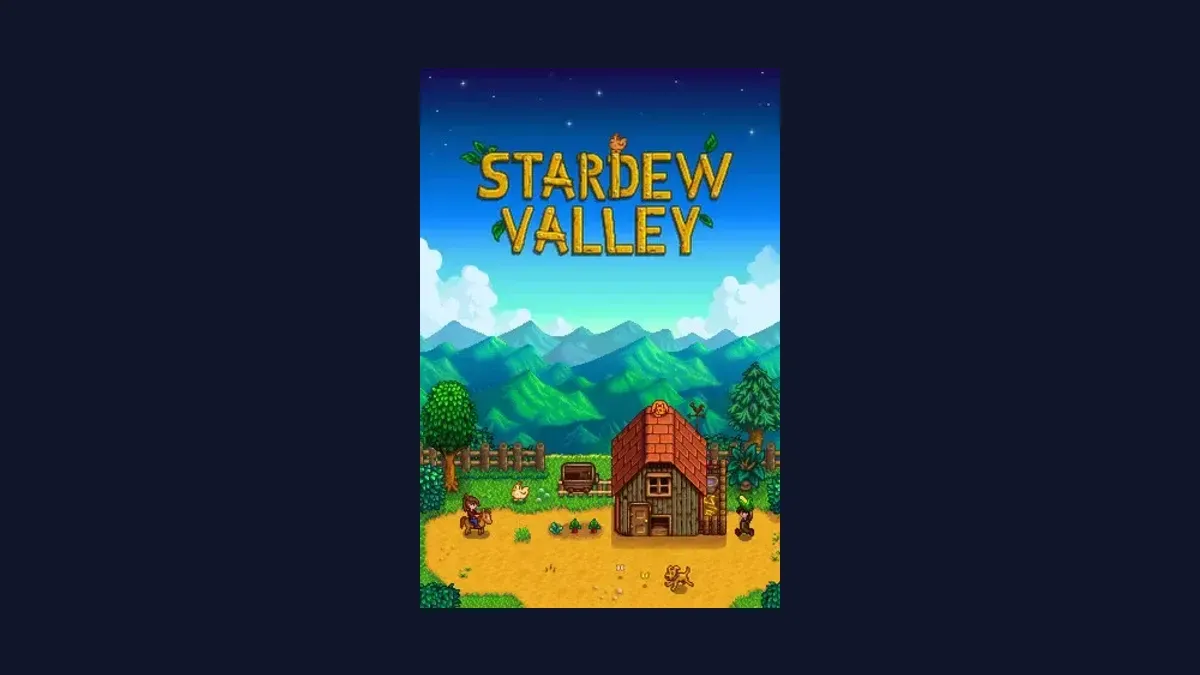
Stardew Valley, developed and published by ConcernedApe, mixes farming, life simulation, and role-playing. You take over a run-down farm, bring the land back, plant crops, keep animals, fish, mine, craft, get to know the residents, join festivals, work toward community goals, and build a new life either alone or with friends in co-op.
A meaningful alternative should carry several of these traits:
- Homestead development: an abandoned, inherited, or undeveloped property becomes a productive home.
- Farming and ranching: crops, seasons, livestock, orchards, animal care, or creature management create recurring responsibilities.
- Daily routine: time, energy, weather, schedules, and priorities shape what can be accomplished each day.
- Community life: residents, shops, services, quests, festivals, and shared projects make the settlement meaningful.
- Relationships: conversations, gifts, favors, friendship, romance, family, or character stories reward repeated interaction.
- Seasonal change: calendars, crops, resources, events, and weather create variation across the year.
- Gathering and crafting: wood, stone, ore, fish, forage, recipes, machines, and materials support improvement.
- Exploration: mines, caves, islands, forests, dungeons, ruins, or remote areas provide activities beyond the farm.
- Economic progression: produce and crafted goods fund tools, buildings, seeds, animals, decoration, or community upgrades.
- Customization: character appearance, farm layout, home decoration, town placement, or equipment expresses player choice.
- Restoration: individual work improves a farm, workshop, village, environment, clan, or shared public space.
- Flexible pacing: the game supports calm routines, self-selected goals, and natural stopping points between tasks or days.
Nothing here recreates Pelican Town or the Community Center exactly, nor Stardew Valley’s seasons, festivals, relationships, mines, artisan economy, farm maps, and multiplayer structure. The ranking below follows how much of its farming, life simulation, community, daily routine, crafting, exploration, and long-term growth each game keeps.
Games Like Stardew Valley at a Glance
| Game | Strongest shared attributes | Main difference | Best for |
|---|---|---|---|
| Fields of Mistria | Pixel farming, relationships, animals, seasons, town restoration, magic | Single-player fantasy setting | Closest overall alternative |
| Fae Farm | Farming, crafting, decorating, magic, island exploration, multiplayer | Stronger magical homestead focus | Magical farming |
| My Time at Portia | Workshop restoration, crafting, commissions, relationships, farming, town projects | Production leads over agriculture | Crafting and rebuilding |
| Roots of Pacha | Farming, relationships, domestication, ideas, festivals, community, co-op | Stone Age clan development | Community progression |
| Coral Island | Farming, animals, relationships, island life, crafting, ocean restoration | Tropical 3D environmental focus | Modern farm life |
| Sun Haven | Farming, relationships, skills, fantasy towns, mining, combat, multiplayer | Deeper RPG progression | Fantasy adventure |
| Littlewood | Pixel life sim, town planning, hobbies, friendships, gathering, calm pacing | Town design over crop depth | Low-pressure routines |
| Dinkum | Farming, fishing, mining, crafting, town growth, wildlife, co-op | Open-world survival-life sandbox | Shared town building |
| Moonstone Island | Farming, friendships, crafting, potions, islands, creature collecting | Card battles and exploration | Creatures and alchemy |
| Kynseed | Farming, family, businesses, crafting, exploration, fantasy, long-term life | Generational progression | Extended life simulation |
| Terraria | Pixel world, mining, crafting, building, fishing, farming, exploration, co-op | Combat and bosses dominate | Sandbox adventure |
| Slime Rancher | Ranching, creature care, resources, exploration, upgrades, colorful sandbox | First-person alien ranch | Creature management |
1. Fields of Mistria
Closest match for: pixel-art farming, seasonal routines, relationships, romance, animals, fishing, mining, quests, town restoration, and magic
Genres: RPG, simulation, casual, and indie
Mode: Single-player
Release date: August 5, 2024
Developer and publisher: NPC Studio
Fields of Mistria comes closest overall because farm development, town restoration, relationships, and daily activities remain tightly connected.
Players grow crops, care for animals, fish, gather, enter mines, complete requests, and help rebuild Mistria after a major disruption. Resident schedules and character stories give ordinary errands a social purpose.
Magic separates Mistria from Pelican Town and can influence farming or exploration. The experience is designed for one player, while Stardew Valley also supports cooperative farms.
How Fields of Mistria Compares with Stardew Valley
- Shared: farming sim, pixel graphics, life simulation, crops, animals, relationships, romance, fishing, mining, town restoration, quests, and calm progression.
- Different: Fields of Mistria adds magic, fantasy history, magical creatures, and a single-player structure.
- Choose it if: a magical setting around the closest pixel-farming and relationship loop appeals to you.
2. Fae Farm
Closest match for: farming, homestead customization, crafting, decoration, magic, relationships, island exploration, dungeons, and multiplayer
Genres: Action, adventure, RPG, and simulation
Modes: Single-player and multiplayer
Release date: September 8, 2023
Developer: Phoenix Labs
Publisher: Gambit Digital
Fae Farm combines farm development with spells, enchanted environments, dungeons, crafting, and home decoration.
Crops, resources, tools, recipes, furniture, and magical abilities feed into a steadily expanding homestead. Exploration provides materials and progression needed for further improvement.
Relationships are present but less socially detailed than in Stardew Valley. Fae Farm places greater emphasis on movement, magical tools, resource gathering, and decorating a cooperative homestead.
How Fae Farm Compares with Stardew Valley
- Shared: farming, homestead growth, crafting, decoration, relationships, exploration, resources, progression, relaxing play, and multiplayer.
- Different: Fae Farm uses a 3D magical island, spells, enchanted movement, dungeons, and a more streamlined social system.
- Choose it if: magic, decoration, and shared farming matter more than deep resident stories.
3. My Time at Portia
Closest match for: inherited workshop restoration, crafting, commissions, farming, livestock, fishing, relationships, exploration, and town improvement
Genres: RPG, simulation, and casual
Mode: Single-player
Release date: January 15, 2019
Developer: Pathea Games
Publisher: Focus Entertainment
My Time at Portia replaces the neglected farm with a family workshop that must be restored through production and community work.
Gathered resources become components, machines, tools, structures, and commission items. Public construction projects visibly improve Portia and connect personal business growth to the town.
Agriculture, animals, fishing, relationships, ruins, and combat broaden the routine. Crafting and workshop logistics remain more important than seasonal crop planning.
How My Time at Portia Compares with Stardew Valley
- Shared: inherited property, crafting, life simulation, farming, fishing, animals, town residents, relationships, exploration, quests, combat, and economic growth.
- Different: Portia revolves around workshop commissions, machines, construction, 3D environments, ruins, and post-apocalyptic history.
- Choose it if: public projects and crafting are more appealing than crop-centered farming.
4. Roots of Pacha
Closest match for: farming, pixel art, relationships, festivals, animal domestication, fishing, crafting, community growth, and online co-op
Genres: RPG, simulation, and indie
Modes: Single-player, co-op, multiplayer, and online co-op
Release date: April 25, 2023
Developer and publisher: Soda Den
Roots of Pacha moves the farming-life loop into the Stone Age and makes collective discovery the basis of progression.
Players cultivate crops, domesticate animals, gather, fish, craft, form relationships, and contribute ideas that move the clan forward. New knowledge changes how the community produces food and organizes daily life.
Stardew Valley frames progress around an individual homestead and town restoration. Roots of Pacha treats invention and prosperity as shared achievements.
How Roots of Pacha Compares with Stardew Valley
- Shared: farming sim, life simulation, pixel graphics, romance, relationships, crops, animals, fishing, crafting, festivals, community growth, and co-op.
- Different: Roots of Pacha is set in the Stone Age, with clan-wide ideas, domestication, early technology, and collective progression.
- Choose it if: community development and cooperative discovery are your priorities.
5. Coral Island
Closest match for: farming, animals, relationships, romance, crafting, town life, festivals, character customization, and environmental restoration
Genres: Adventure, RPG, strategy, simulation, casual, and indie
Modes: Single-player, co-op, multiplayer, and online co-op
Release date: October 11, 2022
Developer: Stairway Games
Publisher: Balor Games
Coral Island places the farming-life structure on a tropical island with environmental restoration and underwater exploration.
Crops, livestock, tools, buildings, relationships, and town activities create the familiar daily loop. Diving expands restoration beyond the farm and makes the ocean part of community progress.
Its 3D presentation and ecological themes distinguish it from Stardew Valley. Both connect personal prosperity with the recovery of a larger place.
How Coral Island Compares with Stardew Valley
- Shared: farming, livestock, agriculture, romance, relationships, town residents, gathering, crafting, festivals, customization, co-op, and economic growth.
- Different: Coral Island is set on a tropical 3D island with diving, coral restoration, underwater areas, and a stronger environmental theme.
- Choose it if: island life and ecological restoration should complement the farming routine.
6. Sun Haven
Closest match for: pixel farming, relationships, romance, crafting, fishing, mining, skills, quests, combat, magic, and online co-op
Genres: Adventure, RPG, simulation, casual, and indie
Modes: Single-player, co-op, multiplayer, and online co-op
Release date: June 25, 2021
Developer and publisher: Pixel Sprout Studios
Sun Haven combines the daily farming-life structure with stronger fantasy role-playing.
Players can cultivate crops, fish, mine, craft, develop relationships, explore several settlements, improve skills, complete quests, and fight monsters. Skill trees allow more specialization than Stardew Valley’s broader activity levels.
Combat and magic carry more of the progression, while farming remains one major path among several. Multiplayer supports shared advancement across the larger fantasy world.
How Sun Haven Compares with Stardew Valley
- Shared: pixel farming, relationships, life simulation, romance, fishing, crafting, mining, quests, customization, co-op, and flexible goals.
- Different: Sun Haven adds fantasy races, dragons, magic, skill trees, several towns, stronger combat, and broader RPG progression.
- Choose it if: you want cozy farming connected to a substantial fantasy adventure.
7. Littlewood
Closest match for: pixel life simulation, town design, friendships, farming, gathering, crafting, hobbies, decoration, and low-pressure progression
Genres: Adventure, RPG, casual, and indie
Mode: Single-player
Release date: August 4, 2020
Developer: Sean Young
Publisher: SmashGames
Littlewood begins after the world has been saved and asks the player to rebuild a peaceful community.
Buildings, terrain, gathering, crafting, farming, hobbies, facilities, and friendships can be developed according to personal priorities. Town layout is directly customizable.
Time advances through actions rather than continuously, creating clear natural stopping points. Farming is simpler than in Stardew Valley, while town design receives greater attention.
How Littlewood Compares with Stardew Valley
- Shared: pixel graphics, farming, life simulation, gathering, crafting, relationships, town restoration, decoration, sandbox customization, and relaxing progression.
- Different: Littlewood emphasizes town layout, action-based time, simplified farming, post-adventure rebuilding, and single-player play.
- Choose it if: town design and pressure-free routines matter more than agricultural depth.
8. Dinkum
Closest match for: farming, fishing, mining, hunting, gathering, crafting, town expansion, wildlife, open-world exploration, and online co-op
Genres: RPG, simulation, and indie
Modes: Single-player, co-op, multiplayer, and online co-op
Release date: July 14, 2022
Developer: James Bendon
Publisher: KRAFTON, Inc.
Dinkum connects life-simulation activities to the development of a settlement in an outback-inspired island environment.
Wilderness gradually turns into a town through farming, fishing, mining, hunting, foraging, crafting, licenses, buildings, and resident recruitment.
Its structure is more open and survival-oriented than Stardew Valley. Character stories and romance are less central than exploration, resources, infrastructure, and shared construction.
How Dinkum Compares with Stardew Valley
- Shared: farming, fishing, agriculture, mining, gathering, crafting, residents, town development, economic growth, co-op, and sandbox play.
- Different: Dinkum offers a 3D open world with wildlife, hunting, licenses, settlement placement, and an outback-inspired setting.
- Choose it if: building a town with friends matters more than following resident storylines.
9. Moonstone Island
Closest match for: pixel farming, friendships, potion brewing, crafting, gathering, home building, creatures, island exploration, and progression
Genres: Action, adventure, RPG, and indie
Mode: Single-player
Release date: September 20, 2023
Developer: Studio Supersoft
Publisher: Raw Fury
Moonstone Island combines a life simulation with creature collecting and exploration across a large group of islands.
Players establish a home, grow crops, build relationships, collect Spirits, brew potions, gather resources, and explore dungeons. Card-based combat determines many creature encounters.
Farming and social systems are lighter than in Stardew Valley. Exploration, creature teams, alchemy, and deckbuilding carry more of the overall progression.
How Moonstone Island Compares with Stardew Valley
- Shared: pixel graphics, farming sim, life simulation, friendships, home development, gathering, crafting, exploration, quests, and relaxing play.
- Different: Moonstone Island adds creature collecting, card battles, potion brewing, many islands, and alchemy training.
- Choose it if: collecting creatures and exploring islands should supplement daily farm life.
10. Kynseed
Closest match for: farming, family, relationships, business management, crafting, fantasy, exploration, open-world life, and long-term progression
Genres: Adventure, RPG, simulation, and indie
Mode: Single-player
Release date: November 8, 2018
Developer and publisher: PixelCount Studios
Kynseed broadens the farming-life formula into a longer fantasy life involving family, businesses, crafting, exploration, and combat.
Players can cultivate land, build relationships, raise a family, operate shops, gather materials, make products, travel between settlements, and face monsters.
Generational progression creates a wider timeline than Stardew Valley’s farm career. Business ownership also provides economic paths beyond crops and artisan goods.
How Kynseed Compares with Stardew Valley
- Shared: farming, life simulation, relationships, family, crafting, economic growth, exploration, quests, management, fantasy, and sandbox freedom.
- Different: Kynseed puts weight on generations, aging, businesses, wider travel, folklore, and action combat.
- Choose it if: family legacy and business ownership are the life-sim systems you want expanded.
11. Terraria
Closest match for: pixel art, mining, crafting, building, fishing, farming-adjacent systems, exploration, progression, and online co-op
Genres: Action, indie, and platformer
Modes: Single-player, PvP, co-op, multiplayer, online PvP, and online co-op
Release date: May 16, 2011
Developer and publisher: Re-Logic
Terraria emphasizes exploration and combat inside a generated 2D world but preserves several of Stardew Valley’s most engaging activity loops.
Players mine ore, gather materials, build homes, craft tools and equipment, fish, cultivate useful resources, attract residents, explore biomes, and fight bosses.
There is no comparable romance or town-story structure. Terraria is most relevant to players who prefer Stardew Valley’s mines, crafting, building, and multiplayer exploration.
How Terraria Compares with Stardew Valley
- Shared: pixel graphics, mining, crafting, building, fishing, gathering, farm-adjacent systems, progression, sandbox freedom, multiplayer, and online co-op.
- Different: Terraria centers on survival, platforming, equipment classes, generated worlds, combat, bosses, and biome progression.
- Choose it if: mining and cooperative adventure matter more than farming relationships.
12. Slime Rancher
Closest match for: creature care, ranch development, resource production, exploration, upgrades, farming-adjacent systems, economic growth, and colorful sandbox play
Genres: Action, adventure, simulation, and indie
Mode: Single-player
Release date: August 1, 2017
Developer and publisher: Monomi Park
Slime Rancher follows Beatrix LeBeau while building a livelihood around capturing and caring for alien slimes.
Different slimes have food preferences, behaviors, risks, and resource outputs. Exploration reveals new species and materials that support ranch expansion and equipment upgrades.
Traditional seasons, town relationships, festivals, and romance are absent. The overlap comes from developing an undeveloped property through daily care, resource cycles, and self-selected goals.
How Slime Rancher Compares with Stardew Valley
- Shared: creature care, ranch development, resource management, agriculture-adjacent routines, exploration, upgrades, economic progression, customization, relaxing goals, and sandbox freedom.
- Different: Slime Rancher uses first-person play, alien creatures, vacuum-based collection and open-world exploration, and has no town relationship system.
- Choose it if: creature care and colorful exploration matter more than traditional farming.
Which Stardew Valley Alternative Should You Play First?
Pick by the part of Stardew Valley you most want to keep:
- Pixel farming and relationships, closest overall: Fields of Mistria
- Magic, decoration, and multiplayer farming: Fae Farm
- Workshop commissions and town rebuilding: My Time at Portia
- Community discovery and cooperative farming: Roots of Pacha
- Tropical farming and ecological restoration: Coral Island
- Fantasy skills, combat, and co-op: Sun Haven
- Low-pressure town design: Littlewood
- Open-world settlement building: Dinkum
- Creature collecting and alchemy: Moonstone Island
- Family legacy and businesses: Kynseed
- Pixel mining, building, and bosses: Terraria
- Creature ranching and exploration: Slime Rancher
Other Relevant Stardew Valley Alternatives
A few more games cover narrower parts of what Stardew Valley does:
- Cowboy Life Simulator pairs a frontier setting with ranch development, animals, local residents, crafting, building, and open-world exploration.
- I Am Future: Cozy Apocalypse Survival brings calm survival together with rooftop farming, fishing, crafting, gadgets, robots, automation, and base expansion.
- Starsand Island centres on seaside country life with multiplayer, farming, animals, fishing, building, and crafting.
How we chose these games
The pool was every PC game we price on this topic plus any game whose Steam user tags, read on 7 October 2026, overlap with Stardew Valley’s most characteristic ones on four or more. From there we kept the games with a real overlap in how a day plays out, not just a farm theme.
Questions
What is the closest game to Stardew Valley in this list?
Fields of Mistria is the closest overall alternative because it combines pixel-art farming, seasonal routines, relationships, romance, animals, fishing, mining, quests, town restoration, and relaxing progression.
What type of game is Stardew Valley?
Stardew Valley is a farming simulator, life simulator, crafting game, sandbox, community simulation, and RPG. Its defining systems include crops, seasons, livestock, fishing, mining, relationships, romance, festivals, artisan products, quests, farm customization, and co-op.
Which alternatives have romance and relationships?
Fields of Mistria, Fae Farm, My Time at Portia, Roots of Pacha, Coral Island, Sun Haven, Moonstone Island, and Kynseed include friendship, romance, family, or resident-story systems to different degrees.
Which alternatives support multiplayer?
Fae Farm, Roots of Pacha, Coral Island, Sun Haven, Dinkum, Terraria, and Stardew Valley list multiplayer, cooperative, or online-cooperative modes.
Which alternative has the strongest crafting systems?
My Time at Portia provides the strongest workshop and commission structure. Terraria offers the broadest equipment and building progression, while I Am Future adds robots and automation to cozy base development.
Which alternative is best for town building?
Littlewood offers direct town-layout control. Dinkum connects resident recruitment to open-world settlement construction, while My Time at Portia changes the town through commissions and public projects.
Is Fae Farm similar to Stardew Valley?
Yes. Both combine farming, homestead development, crafting, relationships, exploration, decoration, economic growth, and flexible routines. Fae Farm places greater emphasis on magic, enchanted movement, dungeons, and multiplayer homestead play.
Is My Time at Portia similar to Stardew Valley?
Yes. Both begin with neglected inherited property and connect gathering, crafting, farming, fishing, relationships, quests, exploration, and town improvement. Portia centers its economy on workshop commissions rather than crops.
Which alternative is best for combat and exploration?
Terraria provides the deepest combination of exploration, crafting, equipment progression, bosses, and co-op. Sun Haven is a closer farming-life match with stronger fantasy combat and quests.
Which alternatives are best for short, relaxed sessions?
Littlewood provides clear action-based stopping points and low-pressure town routines. Fields of Mistria and Roots of Pacha also divide progress into readable daily activities without requiring one fixed objective path.

Guides written and checked by the gamekeys.deals team against our own price data and the stores' published policies.