12 Best Games Like God of War for Mythic Action
Twelve games like God of War that combine mythology, cinematic storytelling, exploration, progression and deliberate melee combat.
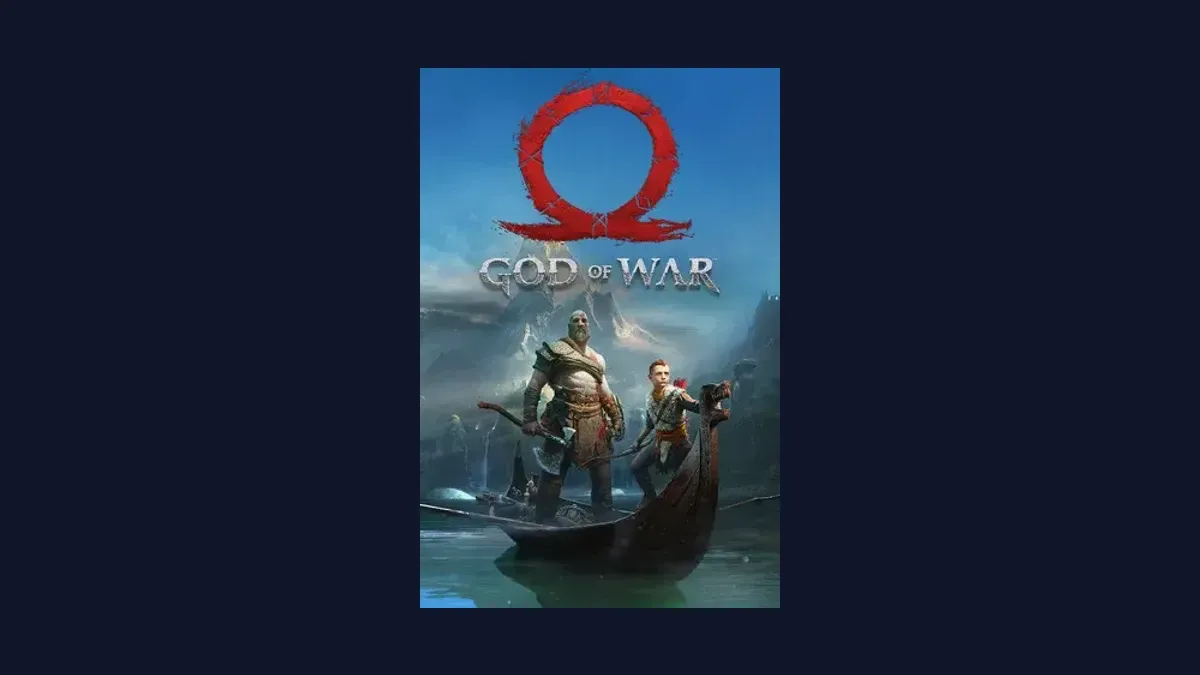
The best games like God of War combine more than third-person combat and large enemies. A close alternative should connect mythology, cinematic storytelling, character-driven conflict, exploration, progression, and deliberate melee combat into one sustained adventure.
Closest overall alternative: God of War Ragnarök Best for mythological open-world exploration: Assassin's Creed Odyssey Best for story and Norse atmosphere: Hellblade: Senua's Sacrifice Best for stylish combat mastery: Devil May Cry 5
What Makes a Game Similar to God of War?
God of War is a single-player action-adventure developed by Santa Monica Studio and Jetpack Interactive. Its Norse-era structure combines a story-rich journey with close third-person combat, mythology, exploration, puzzles, character progression, and a central family relationship.
A meaningful alternative should share several defining attributes:
- Third-person action: melee encounters are controlled from a close external camera.
- Deliberate combat: timing, positioning, defensive reactions, weapon recall, combos, or enemy patterns influence success.
- Hack-and-slash foundations: direct melee attacks and ability chains remain central even when RPG systems are added.
- Mythology or folklore: gods, monsters, legends, ancient cultures, or supernatural cosmologies shape the world.
- Story-rich campaign: character arcs and narrative progression matter alongside combat.
- Cinematic presentation: staging, camera work, performances, environments, and set pieces create dramatic momentum.
- Personal stakes: family, grief, revenge, identity, responsibility, or redemption drives the protagonist.
- Action-RPG progression: skills, weapons, armor, abilities, or builds expand combat options.
- Exploration: optional paths, environmental stories, collectibles, side quests, or hidden encounters reward curiosity.
- Boss encounters: major enemies test accumulated combat knowledge and provide narrative spectacle.
- Puzzles and traversal: movement and environmental problem-solving interrupt combat and vary pacing.
- Single-player focus: a sustained protagonist-led journey remains the core experience.
No alternative duplicates every part of God of War. The recommendations below are ranked by the strength of their shared combat, mythology, narrative, exploration, and progression relationships.
Games Like God of War at a Glance
| Game | Strongest shared attributes | Main difference | Best for |
|---|---|---|---|
| God of War Ragnarök | Same characters, mythology, combat, story, exploration | Larger sequel with expanded systems | Closest overall alternative |
| Assassin’s Creed Odyssey | Mythology, open world, action RPG, choices, exploration | Much broader historical sandbox | Mythological open-world freedom |
| Hellblade: Senua’s Sacrifice | Norse mythology, third-person story, personal journey, atmosphere | Simpler combat and psychological focus | Focused cinematic storytelling |
| Devil May Cry 5 | Third-person hack and slash, bosses, combos, cinematic action | Mission-based and style-ranked | Combat mastery |
| Middle-earth: Shadow of Mordor | Open world, revenge, third-person combat, fantasy, progression | Stealth and Nemesis system | Personal rivalries |
| Stellar Blade | Third-person action RPG, precise combat, bosses, story | Science-fiction apocalypse | Parry-focused action |
| WUCHANG: Fallen Feathers | Mythology, third-person melee, exploration, action RPG | Late-Ming dark fantasy and Souls-like difficulty | Challenging exploration |
| Kingdoms of Amalur: Re-Reckoning | Third-person action RPG, open world, fantasy, builds | Broader questing and lighter cinematic focus | Character customization |
| No Rest for the Wicked | Deliberate melee, action RPG, exploration, co-op | Isometric presentation and Early Access | Weighty build-driven combat |
| Achilles: Legends Untold | Greek mythology, combat, bosses, action RPG, co-op | Isometric Souls-like structure | Mythic combat and loot |
| Asterigos: Curse of the Stars | Mythology, story, action RPG, exploration, bosses | Greek and Roman-inspired fantasy city | Accessible mythic adventure |
| Bayonetta | Third-person hack and slash, supernatural enemies, bosses | Faster spectacle-fighter structure | High-speed combos |
1. God of War Ragnarök
Closest match for: Norse mythology, cinematic storytelling, character relationships, third-person combat, exploration, and progression
Developers: Santa Monica Studio and Jetpack Interactive
Release date: November 9, 2022
Mode: Single-player
Genres: Action, adventure, and RPG
God of War Ragnarök is the closest possible alternative because it continues the same characters, mythology, relationships, and combat language. Kratos and Atreus travel through the Nine Realms while preparing for Ragnarök and searching for answers about prophecy and responsibility.
Combat expands the earlier game’s weapon, companion, skill, and enemy systems. The Leviathan Axe, Blades of Chaos, shields, runic abilities, and companion actions create overlapping offensive and defensive choices.
Exploration remains connected to story and progression. Optional areas contain side narratives, puzzles, equipment, bosses, and environmental context rather than functioning only as empty space between main missions.
How God of War Ragnarök Compares with God of War
- Shared: characters, Norse mythology, third-person combat, story-rich campaign, cinematic presentation, exploration, puzzles, progression, and boss encounters.
- Different: Ragnarök broadens the realm structure, cast, enemy variety, and combat systems as a direct sequel.
- Choose it if: you want the exact narrative and mechanical continuation of God of War.
2. Assassin’s Creed Odyssey
Closest match for: mythology, open-world exploration, action-RPG progression, ancient history, choices, and legendary enemies
Developers: Ubisoft Quebec and multiple Ubisoft studios
Publisher: Ubisoft
Release date: October 5, 2018
Mode: Single-player
Genres: Action and RPG
Assassin’s Creed Odyssey places the player in Ancient Greece as a mercenary connected to war, family conflict, political factions, and legendary creatures. Its strongest God of War relationship is the fusion of history and mythology within an action-RPG structure.
The open world is much larger and less focused. Islands, cities, forts, seas, tombs, battlefields, and mythological encounters allow the player to set the pace and choose which systems to pursue.
Equipment, abilities, dialogue choices, stealth, ship progression, and multiple endings create a broader role-playing model. God of War delivers a more concentrated character journey and heavier close-camera combat.
How Assassin’s Creed Odyssey Compares with God of War
- Shared: mythology, family conflict, action-RPG progression, exploration, historical setting, boss encounters, combat, and single-player story.
- Different: Odyssey is a huge choice-driven sandbox with naval travel, stealth, loot, and multiple endings.
- Choose it if: you want mythological battles and ancient-world exploration with greater freedom.
3. Hellblade: Senua’s Sacrifice
Closest match for: Norse mythology, personal grief, cinematic third-person storytelling, atmosphere, puzzles, and focused combat
Developer: Ninja Theory
Publisher: Ninja Theory
Release date: August 8, 2017
Mode: Single-player
Genres: Action, adventure, and indie
Hellblade: Senua’s Sacrifice follows a warrior’s journey into a mythic underworld to fight for the soul of a lost loved one. Norse imagery, grief, perception, and hostile landscapes connect its story directly to the darker side of God of War’s mythological world.
The campaign is compact and highly directed. Environmental puzzles and perception-based sequences divide close-range fights, while sound and visual presentation keep the protagonist’s perspective central.
Combat is simpler than God of War’s equipment-rich system. The similarity comes from thematic weight, third-person framing, myth, and a journey in which every conflict reflects a personal loss.
How Hellblade Compares with God of War
- Shared: Norse mythology, third-person action, cinematic presentation, grief, personal journey, puzzles, atmosphere, and single-player focus.
- Different: Hellblade is shorter, more linear, psychologically focused, and less dependent on gear or RPG progression.
- Choose it if: the emotional journey and mythological atmosphere matter more than combat-system depth.
4. Devil May Cry 5
Closest match for: third-person hack and slash, weapon switching, boss battles, combos, cinematic action, and multiple combat styles
Developer and publisher: CAPCOM Co., Ltd.
Release date: March 8, 2019
Modes: Single-player, co-op, multiplayer, and online co-op
Genre: Action
Devil May Cry 5 is the strongest alternative for players who prioritize God of War’s action foundations. Three playable characters use different weapons, abilities, inputs, and tactical rhythms.
Combat rewards creative sequencing rather than only survival. Launchers, aerial attacks, weapon changes, ranged attacks, movement, and character-specific systems can be combined into extended encounters.
The campaign is mission-based and much less focused on exploration. Its tone and pacing are also lighter and faster, while God of War ties combat more tightly to character relationships and world exploration.
How Devil May Cry 5 Compares with God of War
- Shared: third-person action, hack-and-slash combat, supernatural enemies, bosses, cinematic scenes, single-player campaign, and combat progression.
- Different: Devil May Cry 5 emphasizes performance, speed, multiple protagonists, and combo variety over open exploration and mythic family drama.
- Choose it if: mastering expressive combat systems is your main priority.
5. Middle-earth: Shadow of Mordor
Closest match for: third-person fantasy combat, revenge, open-world exploration, progression, stealth, and personalized enemies
Developer: Monolith Productions
Publishers: Warner Bros. Interactive Entertainment and Warner Bros. Games
Release date: September 30, 2014
Mode: Single-player
Genres: Action and RPG
Middle-earth: Shadow of Mordor follows a revenge-driven protagonist bound to a supernatural spirit in an open region of Mordor. Combat, stealth, abilities, and exploration support a campaign against Sauron’s forces.
Its defining relationship is the Nemesis system. Enemy captains remember outcomes, gain strengths, rise through ranks, and develop into recurring opponents. This transforms repeated battles into personal conflicts rather than isolated encounters.
The combat has a faster crowd-control rhythm than God of War’s close duels and shield-based exchanges. The story is less intimate, but revenge, supernatural power, and dark-fantasy scale provide a meaningful overlap.
How Shadow of Mordor Compares with God of War
- Shared: third-person action, fantasy, revenge, supernatural abilities, open-world exploration, progression, bosses, and single-player story.
- Different: stealth and the Nemesis system make evolving enemy relationships the central feature.
- Choose it if: you want open combat and recurring personal rivalries inside a dark fantasy world.
6. Stellar Blade
Closest match for: third-person action RPG combat, parries, dodges, bosses, story, exploration, and post-apocalyptic mystery
Developer: SHIFT UP Corporation
Release date: April 26, 2024
Mode: Single-player
Genres: Action, adventure, and RPG
Stellar Blade is a post-apocalyptic action adventure about uncovering the causes and consequences of Earth’s downfall. Its strongest God of War relationship is close third-person combat that connects defensive timing to ability use.
Parries, dodges, skills, equipment, and enemy patterns create rhythm-based encounters. Boss battles test whether the player understands attack sequences and when to shift from defense to offense.
The setting replaces mythology with science fiction, ruins, and extinction-level conflict. Exploration and story remain important, but the narrative relationship differs from God of War’s family-centered journey.
How Stellar Blade Compares with God of War
- Shared: third-person action, action-RPG progression, deliberate combat, boss encounters, exploration, cinematic story, and single-player focus.
- Different: Stellar Blade uses a science-fiction apocalypse, faster parry-focused combat, and a mystery about humanity’s fall.
- Choose it if: precise defensive timing and large boss encounters matter more than mythology.
7. WUCHANG: Fallen Feathers
Closest match for: mythology, third-person melee, exploration, action-RPG builds, personal identity, and difficult combat
Developer: Leenzee
Publisher: 505 Games
Release date: July 24, 2025
Mode: Single-player
Genres: Action, adventure, and RPG
WUCHANG: Fallen Feathers is a Souls-like action RPG set in the land of Shu during the late Ming Dynasty. Warring factions, illness, monsters, and a protagonist’s damaged memory create the backdrop for exploration and combat.
The God of War overlap comes from mythology, personal stakes, third-person melee, bosses, and progression. Weapons, abilities, and build decisions support different solutions to difficult encounters.
Its combat is less forgiving, and its story delivery is more indirect. Chinese history and dark fantasy also replace Norse mythology and the father-son journey.
How WUCHANG Compares with God of War
- Shared: mythology, third-person combat, action-RPG progression, exploration, bosses, personal identity, dark fantasy, and single-player story.
- Different: WUCHANG is a late-Ming Souls-like with greater difficulty and more indirect storytelling.
- Choose it if: you want mythic action and exploration with harsher combat consequences.
8. Kingdoms of Amalur: Re-Reckoning
Closest match for: third-person action RPG combat, fantasy, open-world exploration, character builds, weapons, and quests
Developers: KAIKO, Big Huge Games, and 38 Studios
Publisher: THQ Nordic
Release date: September 8, 2020
Mode: Single-player
Genres: Action, adventure, and RPG
Kingdoms of Amalur: Re-Reckoning is a large fantasy action RPG with customizable combat styles, equipment, quests, and an explorable world.
Its combat supports melee, ranged attacks, magic, and hybrid builds. Character progression changes not only damage output but the rhythm and available combinations used in encounters.
The story is broader and less cinematic than God of War. It substitutes a flexible role-playing sandbox for the focused relationship between Kratos, Atreus, and Norse prophecy.
How Kingdoms of Amalur Compares with God of War
- Shared: third-person action, hack and slash, fantasy, action-RPG progression, open-world exploration, combat, quests, and single-player play.
- Different: Amalur provides more character customization and questing but less cinematic narrative focus.
- Choose it if: you want God of War-style action foundations inside a larger build-driven fantasy RPG.
9. No Rest for the Wicked
Closest match for: weighty melee, action-RPG progression, exploration, equipment builds, bosses, and cooperative play
Developer and publisher: Moon Studios GmbH
Release date: April 18, 2024
Status: Early Access
Modes: Single-player, co-op, multiplayer, and online co-op
Genres: Action, adventure, and RPG
No Rest for the Wicked is a visceral action RPG built around deliberate melee combat in a handcrafted world. Weapons, weight, stamina, positioning, equipment, and enemy patterns determine how encounters unfold.
The game shares God of War’s interest in impactful attacks and physical commitment. However, it uses an isometric viewpoint and a more systems-heavy loot-and-build structure.
Exploration connects combat areas, settlements, resources, and progression. Co-op further distinguishes it from God of War’s exclusively solo campaign.
How No Rest for the Wicked Compares with God of War
- Shared: action-RPG progression, weighty combat, hack-and-slash foundations, exploration, bosses, story, and equipment development.
- Different: it uses an isometric camera, Souls-like systems, co-op, and a stronger loot focus.
- Choose it if: deliberate combat and build experimentation matter more than cinematic camera work.
10. Achilles: Legends Untold
Closest match for: Greek mythology, legendary heroes, mythical creatures, action-RPG combat, bosses, loot, and co-op
Developer: Dark Point Games
Publishers: Dark Point Games and Galaktus
Release date: November 2, 2023
Modes: Single-player, co-op, multiplayer, and online co-op
Genres: Action, RPG, and indie
Achilles: Legends Untold places Achilles against gods, legendary warriors, and mythological creatures in an action-RPG interpretation of Ancient Greece.
Its direct thematic connection is Greek mythology, recalling the earlier mythic identity of the God of War series. Combat, divine skills, equipment, exploration, and bosses create a familiar power-progression loop.
The isometric camera and Souls-like structure produce a different sense of scale. Storytelling is less cinematic, while loot and build progression receive more attention.
How Achilles Compares with God of War
- Shared: mythology, legendary protagonist, action-RPG progression, hack and slash, bosses, combat, exploration, and personal destiny.
- Different: Achilles uses an isometric Souls-like structure and supports cooperative play.
- Choose it if: Greek mythology and build-driven combat are the attributes you most want to preserve.
11. Asterigos: Curse of the Stars
Closest match for: Greek and Roman-inspired mythology, third-person action RPG combat, story, exploration, weapons, and bosses
Developer: Acme Gamestudio
Publisher: tinyBuild
Release date: October 8, 2022
Mode: Single-player
Genres: Action, adventure, and RPG
Asterigos: Curse of the Stars follows a warrior exploring the cursed city of Aphes. Its world combines Greek and Roman-inspired mythology with unique enemies, ancient architecture, hidden histories, and major bosses.
Several weapon types support different ranges and combat preferences. Exploration and story discovery make the city more than a sequence of arenas.
Asterigos is less cinematic and less physically heavy than God of War, but it provides a clearer mythological action-adventure match than many general fantasy RPGs.
How Asterigos Compares with God of War
- Shared: mythology, third-person action, story-rich progression, exploration, action-RPG systems, weapons, bosses, and single-player campaign.
- Different: it uses a Greek and Roman-inspired fantasy city with lighter combat presentation and Souls-like influence.
- Choose it if: you want a focused mythological adventure with exploration and approachable build variety.
12. Bayonetta
Closest match for: high-speed third-person action, hack-and-slash combos, supernatural enemies, defensive timing, and spectacle bosses
Developer: PlatinumGames
Publisher: SEGA
Release date: October 29, 2009
Mode: Single-player
Genres: Action and adventure
Bayonetta is a character-action game built around speed, combo construction, evasive timing, weapons, transformations, and large supernatural encounters.
A precisely timed dodge activates Witch Time, turning defense into an opportunity for a longer offensive sequence. This relationship between reading attacks and creating openings is relevant to God of War, even though Bayonetta’s pace is much faster.
The campaign is mission-based, performance-ranked, and intentionally extravagant. It does not provide the same exploration or emotional focus, but it offers one of the strongest pure combat alternatives.
How Bayonetta Compares with God of War
- Shared: third-person action, hack and slash, supernatural mythology, bosses, cinematic spectacle, weapons, and single-player campaign.
- Different: Bayonetta emphasizes speed, rankings, long combos, and exaggerated spectacle instead of grounded exploration and family drama.
- Choose it if: rapid combat execution and stylish boss battles are your preferred parts of God of War.
Which God of War Alternative Should You Play First?
Choose according to the God of War attribute you most want to preserve:
- Direct story and combat continuation: God of War Ragnarök
- Mythology inside a huge open world: Assassin’s Creed Odyssey
- Norse atmosphere and a focused personal journey: Hellblade: Senua’s Sacrifice
- Deep combo-based hack and slash: Devil May Cry 5
- Revenge and evolving enemy rivalries: Middle-earth: Shadow of Mordor
- Precise parries and science-fiction bosses: Stellar Blade
- Difficult mythic action and exploration: WUCHANG: Fallen Feathers
- Open-world fantasy builds and quests: Kingdoms of Amalur: Re-Reckoning
- Weighty isometric combat and co-op: No Rest for the Wicked
- Greek mythology and loot progression: Achilles: Legends Untold
- Accessible mythological action RPG: Asterigos: Curse of the Stars
- High-speed spectacle combat: Bayonetta
Other Relevant God of War Alternatives
Some other games match narrower parts of God of War’s profile:
- Crimson Desert Enhanced combines single-player open-world exploration, third-person combat, fantasy, and a faction-rebuilding story.
- Marvel’s Spider-Man Remastered shares cinematic third-person action, a story-rich campaign, open-world exploration, traversal, and character-driven conflict.
- Gujian3 combines mythology, martial arts, real-time third-person combat, story, open-world exploration, and fantasy.
- The Lord of the Rings: War in the North - Legacy Edition offers third-person fantasy combat, hack-and-slash progression, story, and cooperative play.
How we chose these games
We started from the PC games we price that cover this topic, then added games that share at least four of God of War’s most characteristic Steam user tags, as read on 7 October 2026. Each one also had to show a concrete overlap in how it plays, not just a similar theme, to earn a place above.
Questions
What is the closest game to God of War?
God of War Ragnarök is the closest overall alternative because it directly continues the characters, Norse mythology, combat systems, exploration, cinematic storytelling, puzzles, and personal conflicts of God of War.
What type of game is God of War?
God of War is a single-player third-person action-adventure with hack-and-slash combat, RPG progression, mythology, exploration, puzzles, cinematic storytelling, and major boss encounters.
Which alternative has the best mythology?
Assassin's Creed Odyssey provides the broadest Greek-mythology exploration. Hellblade: Senua's Sacrifice offers the strongest focused Norse atmosphere, while Achilles: Legends Untold and Asterigos: Curse of the Stars center their action-RPG systems on Greek or Greco-Roman myth.
Which game has combat most like God of War?
God of War Ragnarök is the direct mechanical continuation. Stellar Blade is the closest alternative for close-camera parries, dodges, abilities, and bosses, while Devil May Cry 5 offers deeper combo expression at a much faster pace.
Which alternatives are open world?
Assassin's Creed Odyssey, Middle-earth: Shadow of Mordor, Kingdoms of Amalur: Re-Reckoning, WUCHANG: Fallen Feathers, Crimson Desert Enhanced, Marvel's Spider-Man Remastered, and Gujian3 include open-world or open-region exploration attributes.
Which alternatives focus most on story?
God of War Ragnarök and Hellblade: Senua's Sacrifice provide the strongest focused cinematic narratives. Assassin's Creed Odyssey offers a broader choice-driven story, while Marvel's Spider-Man Remastered provides a character-led open-world campaign.
Which games support co-op?
Devil May Cry 5 lists cooperative features, while No Rest for the Wicked, Achilles: Legends Untold, and The Lord of the Rings: War in the North - Legacy Edition support cooperative play. God of War itself is designed as a single-player experience.
Is Hellblade similar to God of War?
Yes. Both use third-person action, Norse mythology, cinematic presentation, puzzles, personal grief, and a story-driven journey. Hellblade has simpler combat and a stronger psychological-horror focus, while God of War provides deeper equipment, progression, exploration, and companion systems.
Is Assassin's Creed Odyssey similar to God of War?
Yes, particularly in its ancient setting, mythology, family conflict, legendary enemies, action-RPG progression, and boss encounters. Odyssey is a much larger stealth-and-loot sandbox with dialogue choices, naval travel, and multiple endings.
Which alternative is best for difficult combat?
WUCHANG: Fallen Feathers and No Rest for the Wicked provide the strongest Souls-like difficulty. Stellar Blade emphasizes parry and dodge timing, while Devil May Cry 5 rewards mechanical mastery through increasingly complex combos.

Guides written and checked by the gamekeys.deals team against our own price data and the stores' published policies.