12 Best Games Like Project Zomboid for Survival
Twelve games like Project Zomboid where survival depends on preparation, scavenging, injuries, shelter, skills and an unforgiving sandbox.
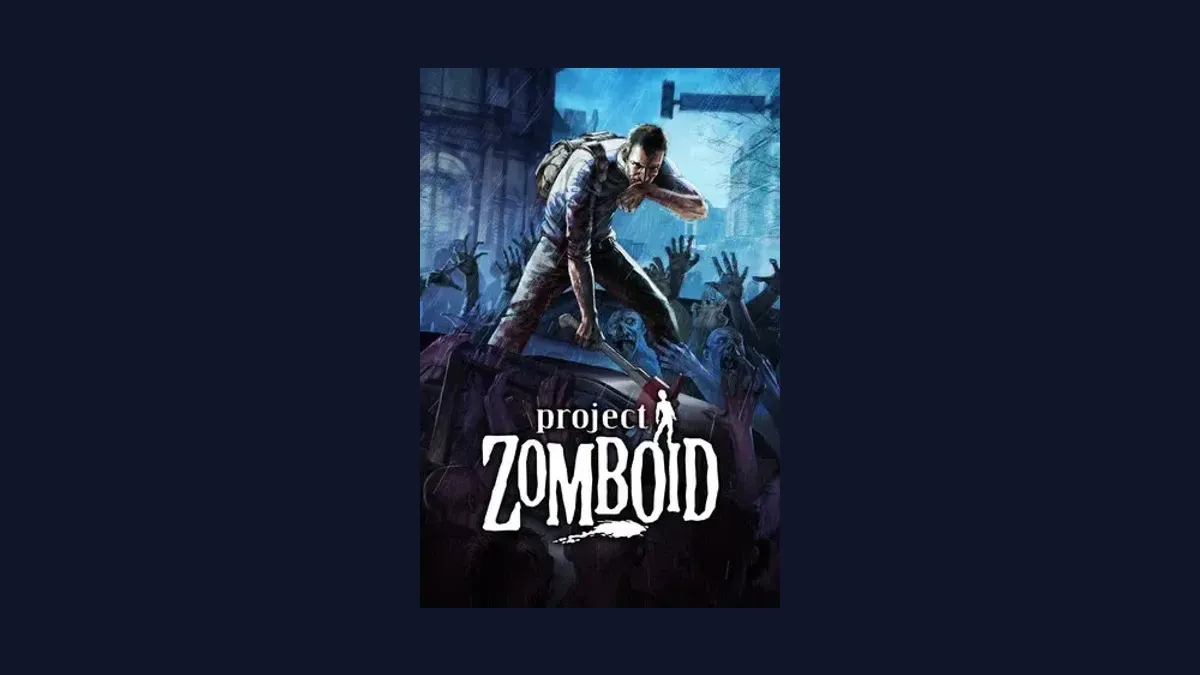
The best games like Project Zomboid combine more than zombies and crafting. A close alternative should make survival depend on preparation, scavenging, injuries, inventory decisions, shelter, skills, changing risk, and the player's ability to build a personal story inside an unforgiving sandbox.
Closest overall alternative: HumanitZ Best first-person zombie sandbox: 7 Days to Die Best realism-focused survival alternative: SCUM Best solo survival simulation: The Long Dark
What Makes a Game Similar to Project Zomboid?
Project Zomboid is an isometric open-world zombie survival RPG developed and published by The Indie Stone. Players loot, build, craft, fight, farm, fish, develop skills, manage physical needs, and attempt to survive alone or with others in a highly customizable sandbox.
A meaningful Project Zomboid alternative should share several defining attributes:
- Systemic survival needs: hunger, thirst, fatigue, temperature, health, illness, infection, morale, or other conditions interact.
- Persistent open world: locations, resources, bases, vehicles, enemies, and player decisions remain relevant over time.
- Scavenging: houses, shops, abandoned structures, wilderness, or hostile areas supply food, medicine, tools, and materials.
- Inventory tradeoffs: weight, capacity, condition, organization, and scarcity force prioritization.
- Crafting and repair: raw materials or recovered parts become tools, weapons, defenses, food, medicine, and equipment.
- Base building or fortification: shelters can be secured, expanded, powered, farmed, defended, or converted into long-term homes.
- Skill progression: repeated activities, experience, books, traits, or specialization improve survival capability.
- Lethal consequences: injuries, infection, poor preparation, combat mistakes, or hostile players can end a run.
- Emergent storytelling: the game provides systems and pressure rather than one required narrative path.
- Zombie or post-apocalyptic threat: infected, mutants, collapse, scarcity, or ruined infrastructure frame the world.
- Solo and cooperative play: survival can be attempted alone or through divided group responsibilities.
- Customizable sandbox: settings, difficulty, servers, PvP, progression, world rules, or scenarios alter the experience.
No single game reproduces Project Zomboid’s exact isometric simulation, Knox Event setting, trait system, wound detail, massive map, permadeath, and sandbox options. The games below are ranked by overlap with its survival simulation, zombie pressure, crafting, building, progression, cooperation, and emergent narrative.
Games Like Project Zomboid at a Glance
| Game | Strongest shared attributes | Main difference | Best for |
|---|---|---|---|
| HumanitZ | Isometric zombies, open world, scavenging, crafting, bases, co-op | More action-forward presentation | Closest overall alternative |
| 7 Days to Die | Zombie sandbox, crafting, voxel building, skills, co-op, hordes | First-person and scheduled horde defense | Base construction and defense |
| VEIN | Zombies, realistic survival, abandoned buildings, bases, rebuilding, co-op | First-person simulation | Modern systemic survival |
| Survive the Nights | Zombies, preparation, night attacks, inventory, fortification, co-op | First-person and nightly horde cycle | Defensive survival routines |
| No One Survived | Needs, zombies, scavenging, crafting, shelters, co-op | Third-person construction sandbox | Cooperative character management |
| SCUM | Detailed body simulation, loot, crafting, bases, zombies, PvP | Multiplayer prison-island premise | Survival realism |
| The Forest | Survival crafting, building, horror, exploration, co-op, environmental story | Mutants and first-person cave mystery | Horror and base building |
| Miscreated | Post-apocalyptic world, mutants, weather, loot, PvP, survival | Online-only competitive structure | Persistent multiplayer danger |
| Colony Survival | Building, colonists, production, guards, nightly hordes, co-op | First-person colony strategy | Settlement defense |
| Cepheus Protocol | Infection, open world, building, resources, quarantine, co-op | Real-time military strategy | Strategic outbreak control |
| The Long Dark | Deep survival needs, scarcity, weather, injuries, exploration, permadeath | No zombies and single-player | Pure survival simulation |
| The Escapists 2 | Isometric planning, routines, crafting, stealth, co-op, sandbox solutions | Prison escape instead of apocalypse | Planning and improvised crafting |
1. HumanitZ
Closest match for: isometric zombie survival, open-world scavenging, crafting, base building, character progression, solo play, and online co-op
Developer: Yodubzz Studios
Publisher: indie.io
Release date: September 18, 2023
Modes: Single-player, PvP, co-op, multiplayer, online PvP, and online co-op
Genres: Action, adventure, and RPG
HumanitZ is the closest overall alternative because it preserves the isometric viewpoint and connects zombie danger to scavenging, crafting, construction, skills, and cooperative survival.
Abandoned locations provide supplies, equipment, and building materials. Survivors must decide what to carry, where to establish safety, and whether an encounter is worth the resources or injuries it may cost.
The game supports both solo survival and groups that can divide looting, combat, construction, and resource responsibilities. Compared with Project Zomboid, HumanitZ is more immediately action-oriented and less granular in some simulation layers.
How HumanitZ Compares with Project Zomboid
- Shared: isometric perspective, zombies, open-world sandbox, survival, scavenging, crafting, base building, skills, co-op, PvP, and post-apocalyptic exploration.
- Different: HumanitZ uses more direct shooter combat, a modern 3D presentation, and a somewhat more accessible survival structure.
- Choose it if: you want the closest modern isometric zombie-survival alternative with online co-op.
2. 7 Days to Die
Closest match for: zombie survival, open-world scavenging, crafting, voxel construction, fortification, RPG skills, vehicles, and cooperative play
Developer: The Fun Pimps
Publisher: The Fun Pimps Entertainment LLC
Release date: December 13, 2013
Modes: Single-player, LAN co-op, PvP, co-op, multiplayer, online PvP, and online co-op
Genres: Shooter, RPG, and indie
7 Days to Die combines first-person survival with destructible voxel environments and a recurring horde cycle.
Players loot buildings, gather materials, craft equipment, develop skills, construct bases, lay traps, grow food, and prepare defenses. Structural choices matter because zombies can damage or collapse poorly designed fortifications.
Its scheduled horde nights create a clearer external objective than Project Zomboid’s open-ended survival. The first-person view and tower-defense emphasis make combat and engineering more direct.
How 7 Days to Die Compares with Project Zomboid
- Shared: zombies, survival, open world, scavenging, crafting, building, farming, skills, vehicles, co-op, PvP, and sandbox customization.
- Different: 7 Days to Die uses first-person combat, voxel destruction, traders, quests, and scheduled blood-moon hordes.
- Choose it if: constructing elaborate defenses is your favorite zombie-survival activity.
3. VEIN
Closest match for: post-apocalyptic survival, zombies, abandoned buildings, detailed scavenging, home defense, rebuilding, crafting, and co-op
Developer and publisher: Ramjet Studios
Release date: October 24, 2025
Status: Early Access
Modes: Single-player, PvP, co-op, multiplayer, online PvP, and online co-op
Genres: Action, RPG, and simulation
VEIN is a first-person multiplayer survival sandbox about gathering supplies, exploring abandoned buildings, defending a home, and rebuilding after a zombie collapse.
Its strongest Project Zomboid relationship is simulation intent. Ordinary locations, household supplies, equipment, fortification, and preparation create a practical survival rhythm rather than a purely combat-led campaign.
The perspective is first-person, and the game remains in Early Access. It nevertheless offers a close modern translation of persistent zombie-survival systems into a different camera format.
How VEIN Compares with Project Zomboid
- Shared: zombies, open-world survival, post-apocalyptic setting, scavenging, crafting, base building, exploration, home defense, co-op, and sandbox progression.
- Different: VEIN uses first-person interaction, modern 3D environments, direct gunplay, and Early Access development.
- Choose it if: you want detailed Project Zomboid-style survival from a first-person perspective.
4. Survive the Nights
Closest match for: preparation, scavenging, inventory management, fortification, vehicles, zombie pressure, changing day-night risk, and online co-op
Developer and publisher: a2z Interactive
Release date: December 21, 2017
Modes: Single-player, LAN co-op, PvP, co-op, multiplayer, online PvP, and online co-op
Genres: Action, adventure, RPG, simulation, massively multiplayer, and indie
Survive the Nights divides the apocalypse into daytime preparation and dangerous nights when infected attack in greater numbers.
The daytime creates a planning window for scavenging, crafting, securing buildings, maintaining equipment, preparing food, and modifying vehicles. Night tests whether those choices were sufficient.
Project Zomboid produces danger more continuously and supports broader sandbox pacing. Survive the Nights gives each day a clearer defensive deadline and emphasizes first-person realism.
How Survive the Nights Compares with Project Zomboid
- Shared: zombies, open-world survival, scavenging, inventory management, crafting, fortification, vehicles, needs, multiplayer, PvP, and co-op.
- Different: Survive the Nights uses first-person combat and a nightly horde rhythm that repeatedly tests preparation.
- Choose it if: preparing a defensible location before darkness is the loop you want.
5. No One Survived
Closest match for: character needs, zombie survival, supply runs, crafting, shelters, building, exploration, cooperative play, and lethal mistakes
Developer and publisher: Cat Play Studio
Release date: December 27, 2025
Modes: Single-player, co-op, multiplayer, and online co-op
Genres: Adventure, RPG, and indie
No One Survived is an open-world construction and survival sandbox where players search for supplies, establish shelters, and track the condition of their characters.
Needs and poor physical condition can turn a manageable trip into a fatal chain of problems. Group play allows survivors to divide supply runs, crafting, construction, and defense.
The game uses a closer third-person presentation and a more conventional construction interface. Its relationship with Project Zomboid comes from character-state monitoring and the requirement to prepare before taking risks.
How No One Survived Compares with Project Zomboid
- Shared: zombie apocalypse, open-world survival, scavenging, crafting, building, shelters, character needs, exploration, co-op, and persistent progression.
- Different: No One Survived uses third-person 3D action and a stronger emphasis on direct construction and multiplayer cooperation.
- Choose it if: you want detailed survival needs with cooperative shelter development.
6. SCUM
Closest match for: detailed body simulation, survival needs, realistic inventory, crafting, hunting, bases, zombies, open-world exploration, and PvP
Developer and publisher: Gamepires
Release date: August 29, 2018
Modes: Single-player, PvP, co-op, multiplayer, online PvP, and online co-op
Genres: Action, adventure, massively multiplayer, and indie
SCUM places prisoners inside a hostile open-world survival environment where metabolism, body condition, equipment, food, movement, injuries, and preparation influence performance.
Looting, hunting, crafting, base construction, navigation, and encounters with hostile players or infected threats create several routes to failure.
SCUM is more strongly shaped by realistic body systems and multiplayer PvP. Project Zomboid adds deeper isometric world simulation and more explicit long-term skill routines.
How SCUM Compares with Project Zomboid
- Shared: hardcore survival, zombies, open world, detailed needs, scavenging, inventory management, crafting, building, injuries, solo play, co-op, and PvP.
- Different: SCUM uses first- and third-person action, a prison-island premise, detailed metabolism, traders, and a strong multiplayer focus.
- Choose it if: physical realism and player-driven danger matter most.
7. The Forest
Closest match for: open-world survival crafting, base construction, hostile creatures, exploration, food, caves, co-op, and environmental storytelling
Developer and publisher: Endnight Games Ltd
Release date: April 30, 2018
Modes: Single-player, LAN co-op, co-op, multiplayer, and online co-op
Genres: Action, adventure, and indie
The Forest strands survivors in a wilderness inhabited by hostile mutants. Players gather resources, build shelters, hunt, craft, explore caves, and gradually uncover the wider mystery.
The world creates a tension between improving a base and leaving it to find supplies or information. Enemy behavior and nighttime danger make even familiar territory uncertain.
There are no zombies in the conventional sense, and survival is more action-horror focused. The co-op construction, exploration, scarcity, and emergent encounters remain strongly relevant.
How The Forest Compares with Project Zomboid
- Shared: open-world survival crafting, building, resource gathering, food, hostile humanoid creatures, exploration, caves, co-op, danger cycles, and environmental story.
- Different: The Forest uses first-person horror, mutants, authored cave progression, direct combat, and a mystery-driven objective.
- Choose it if: base building and frightening exploration matter more than granular zombie simulation.
8. Miscreated
Closest match for: persistent post-apocalyptic multiplayer, mutants, open-world scavenging, survival, crafting, weather, hostile players, and uncertain encounters
Developer and publisher: Entrada Interactive LLC
Release date: December 18, 2018
Modes: PvP, multiplayer, and online PvP
Genres: Action, adventure, RPG, strategy, simulation, massively multiplayer, and indie
Miscreated takes place after a global collapse and asks players to survive a world containing mutants, weather, scarce supplies, and other human players.
Scavenging routes and social encounters produce uncertainty because another survivor can become a trading opportunity, a temporary ally, or an immediate threat.
Its listed modes are multiplayer PvP, without co-op or single-player. Miscreated therefore matches Project Zomboid’s persistent-world and post-apocalyptic risk, but not its flexible solo and cooperative accessibility.
How Miscreated Compares with Project Zomboid
- Shared: post-apocalyptic open world, survival, mutants or zombies, scavenging, crafting, weather, sandbox freedom, multiplayer, and PvP.
- Different: Miscreated is an online-only first- or third-person survival game centered on player encounters and persistent servers.
- Choose it if: unpredictable interactions with other survivors are the main source of tension you want.
9. Colony Survival
Closest match for: base building, food production, work assignment, guards, resource chains, technology, nightly hordes, and cooperative construction
Developer and publisher: Pipliz
Release date: June 16, 2017
Status: Early Access
Modes: Single-player, LAN co-op, PvP, co-op, multiplayer, online PvP, online co-op, and split-screen co-op
Genres: Action, adventure, strategy, and indie
Colony Survival asks players to build a voxel settlement, recruit colonists, assign work, produce food and materials, and defend the community against nightly monsters.
Farmers, miners, crafters, guards, and other colonists create a production network. Expansion increases capability but also produces greater defensive exposure.
Project Zomboid follows individual survivors more closely. Colony Survival shifts the focus to managing labor and protecting an organized settlement from repeated attacks.
How Colony Survival Compares with Project Zomboid
- Shared: survival, building, food production, crafting, open world, sandbox progression, defenses, nightly threats, co-op, multiplayer, and emergent problems.
- Different: Colony Survival is a first-person colony strategy game with worker assignment, voxel construction, research, and settlement-scale defense.
- Choose it if: growing and defending a community interests you more than managing one survivor.
10. Cepheus Protocol
Closest match for: infection outbreak, open-world strategy, quarantine, resources, construction, squads, hostile mutations, and cooperative play
Developer and publisher: Halcyon Winds
Release date: May 15, 2020
Status: Early Access
Modes: Single-player, co-op, multiplayer, and online co-op
Genres: Action, strategy, and indie
Cepheus Protocol places the player in command of a military response attempting to contain an infection, hunt Patient Zero, maintain quarantine areas, and survive dangerous mutations.
The player controls squads, resources, camps, movement, construction, and strategic priorities across an open urban area. Outbreak pressure forces decisions about where to defend, expand, or abandon.
It views the apocalypse from an organizational perspective rather than through one vulnerable civilian. The relationship with Project Zomboid lies in systemic spread, resource scarcity, open-ended survival, and emergent collapse.
How Cepheus Protocol Compares with Project Zomboid
- Shared: infection, zombies or mutations, post-apocalyptic open world, survival, construction, resources, sandbox strategy, co-op, and unpredictable escalation.
- Different: Cepheus Protocol is a real-time military strategy game focused on squads, quarantine, camps, and outbreak containment.
- Choose it if: controlling the response to an outbreak appeals more than playing one survivor.
11. The Long Dark
Closest match for: detailed survival needs, injuries, scarcity, weather, exploration, inventory choices, crafting, knowledge, and permanent failure
Developer and publisher: Hinterland Studio Inc.
Release date: August 1, 2017
Mode: Single-player
Genres: Action, adventure, simulation, and indie
The Long Dark removes zombies and makes cold, wildlife, exhaustion, hunger, thirst, injuries, and poor judgment the main threats.
Every journey requires route planning, clothing, food, tools, weather awareness, and enough carrying capacity to return with useful supplies. A small mistake can become a chain of declining conditions.
The game is single-player and first-person, but its survival reasoning is closely aligned with Project Zomboid. Knowledge and preparation matter more than combat power.
How The Long Dark Compares with Project Zomboid
- Shared: hardcore survival, open world, scavenging, inventory management, hunger, thirst, fatigue, injuries, crafting, exploration, permadeath pressure, and sandbox play.
- Different: The Long Dark has no zombies, multiplayer, or base construction focus; weather and wilderness are the central threats.
- Choose it if: survival simulation matters more to you than the zombie setting.
12. The Escapists 2
Closest match for: isometric planning, daily routines, scavenging, crafting, stealth, restricted access, character progression, and cooperative problem solving
Developers: Team17 and Mouldy Toof Studios
Publisher: Team17
Release date: August 22, 2017
Modes: Single-player, PvP, co-op, multiplayer, online PvP, online co-op, and split-screen co-op
Genres: Strategy, simulation, and indie
The Escapists 2 places players inside prisons governed by schedules, guards, restricted zones, searches, and routines.
An escape requires gathering ordinary objects, crafting tools, improving statistics, learning patrols, hiding evidence, and completing steps without exposing the wider plan.
The setting contains no apocalypse or survival needs comparable to Project Zomboid. Its relevance comes from isometric systems, patient preparation, improvised crafting, and plans that can collapse because of one mistake.
How The Escapists 2 Compares with Project Zomboid
- Shared: isometric presentation, crafting, inventory, routines, character skills, stealth, sandbox solutions, planning, local co-op, online co-op, and emergent failure.
- Different: The Escapists 2 is a prison-escape simulation built around schedules, guards, contraband, and defined escape objectives.
- Choose it if: planning and crafting under restrictive rules are more appealing than zombie survival.
Which Project Zomboid Alternative Should You Play First?
Choose according to the Project Zomboid attribute you most want to preserve:
- Closest modern isometric zombie sandbox: HumanitZ
- Voxel construction and horde defense: 7 Days to Die
- First-person systemic zombie survival: VEIN
- Daytime preparation and nightly attacks: Survive the Nights
- Co-op needs management and shelter construction: No One Survived
- Detailed body simulation and PvP: SCUM
- Horror exploration and cooperative building: The Forest
- Persistent online post-apocalyptic danger: Miscreated
- Settlement production and nightly defense: Colony Survival
- Strategic outbreak containment: Cepheus Protocol
- Pure solo survival simulation: The Long Dark
- Isometric planning and improvised crafting: The Escapists 2
Other Relevant Project Zomboid Alternatives
Several other games match narrower parts of Project Zomboid’s profile:
- CastleMiner Z combines an infinite voxel world, zombies, mining, crafting, building, weapons, exploration, and online co-op.
- Deadside focuses on open-world multiplayer survival, PvE, PvP, loot, safe zones, crafting, and fortress construction without a zombie-centered simulation.
How we chose these games
We looked for PC games we price that cover this topic and for games sharing at least four of Project Zomboid’s most characteristic Steam user tags, checked on 7 October 2026. The order follows how closely each game’s main systems match Project Zomboid, not its popularity.
Questions
What is the closest game to Project Zomboid?
HumanitZ is the closest overall alternative because it combines an isometric perspective, zombie outbreak, open-world scavenging, survival, crafting, base building, skills, solo play, co-op, PvP, and emergent sandbox progression.
What type of game is Project Zomboid?
Project Zomboid is an isometric open-world zombie survival RPG and sandbox simulation. Its defining systems include needs, injuries, infection, scavenging, inventory management, crafting, building, farming, vehicles, skills, permadeath, multiplayer, and customizable world settings.
Which alternatives use an isometric perspective?
HumanitZ is the strongest direct isometric zombie-survival alternative. The Escapists 2 also uses an isometric presentation, but applies planning, crafting, routines, and stealth to prison escapes instead of an apocalypse.
Which alternative has the best base building?
7 Days to Die provides the deepest destructible voxel construction and horde defense. Colony Survival is stronger for settlement production and worker roles, while The Forest provides flexible first-person survival shelters and fortified bases.
Which alternatives have detailed survival needs?
SCUM, The Long Dark, VEIN, Survive the Nights, No One Survived, and Project Zomboid place strong emphasis on bodily condition, resources, preparation, or environmental exposure. Their level and type of simulation differ.
Which alternatives support co-op?
HumanitZ, 7 Days to Die, VEIN, Survive the Nights, No One Survived, SCUM, The Forest, Colony Survival, Cepheus Protocol, The Escapists 2, CastleMiner Z, and Deadside list cooperative or multiplayer modes.
Is 7 Days to Die similar to Project Zomboid?
Yes. Both combine open-world zombie survival, scavenging, crafting, base construction, farming, skills, vehicles, co-op, PvP, and sandbox settings. 7 Days to Die uses first-person voxel gameplay and scheduled horde attacks.
Is HumanitZ similar to Project Zomboid?
Yes. HumanitZ is especially close through its isometric viewpoint, open-world zombie outbreak, looting, crafting, building, skills, solo play, and online co-op. HumanitZ is more action-forward and visually modern.
Which alternative is best without zombies?
The Long Dark is the strongest non-zombie alternative because it preserves scarcity, injuries, needs, inventory decisions, exploration, knowledge-based survival, sandbox play, and the possibility that one mistake ends the run.
Which alternative is best for PvP survival?
SCUM provides the deepest realism-focused PvP survival in this list. Miscreated offers a persistent online post-apocalyptic world, while Deadside emphasizes gunfights, safe zones, loot, and player-built fortresses.

Guides written and checked by the gamekeys.deals team against our own price data and the stores' published policies.