12 Best Games Like Hollow Knight for Metroidvania Fans
Twelve games like Hollow Knight with interconnected worlds, ability-gated routes, precise combat, bosses, secrets and a dark atmosphere.
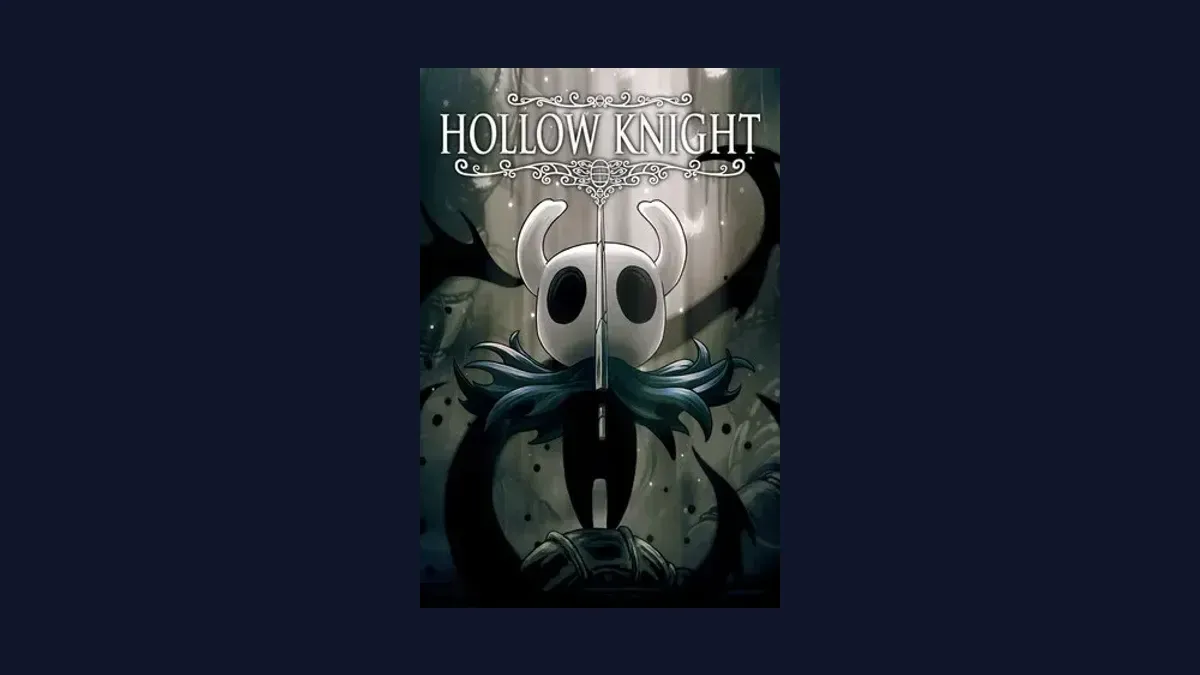
The best games like Hollow Knight combine more than difficult platforming and a dark 2D art style. A close alternative should connect an interconnected world, ability-gated routes, precise combat, bosses, secrets, atmosphere, and environmental storytelling into one exploration-driven progression loop.
Closest overall alternative: Hollow Knight: Silksong Best for atmosphere and movement: Ori and the Will of the Wisps Best for parry-focused combat: Nine Sols Best dark-fantasy alternative: Blasphemous
What Makes a Game Similar to Hollow Knight?
Hollow Knight is a single-player 2D action-platformer developed and published by Team Cherry. Its identity comes from exploring the ruined insect kingdom of Hallownest, gradually unlocking movement abilities, opening shortcuts, fighting bosses, recovering lost currency after defeat, and learning the world’s history through places and inhabitants.
A meaningful Hollow Knight alternative should share several defining attributes:
- Metroidvania world design: regions connect through shortcuts, hubs, gates, and routes that become clearer over time.
- Ability-gated traversal: movement or interaction abilities open previously unreachable paths.
- Backtracking with purpose: revisiting old locations reveals secrets, upgrades, characters, or alternate routes.
- Precise 2D combat: spacing, timing, movement, defensive reactions, and pattern recognition determine success.
- Boss encounters: major enemies test movement and combat knowledge accumulated through exploration.
- Platforming: jumping, wall movement, dashing, aerial control, or environmental hazards shape navigation.
- Souls-like pressure: defeat carries consequences and encourages learning, route planning, or resource recovery.
- Atmospheric setting: art, sound, ruins, weather, creatures, and silence establish a distinctive place.
- Environmental storytelling: lore is communicated through architecture, objects, enemies, dialogue fragments, and visual context.
- Secrets and optional content: hidden rooms, upgrades, bosses, quests, and endings reward close observation.
- Build progression: charms, shards, weapons, abilities, artifacts, or equipment support different playstyles.
- Single-player discovery: exploration and mastery unfold around one player’s journey through the world.
No single game reproduces Hallownest exactly. The games below are ranked by the strength of their shared world design, exploration, combat, platforming, atmosphere, and progression relationships.
Games Like Hollow Knight at a Glance
| Game | Strongest shared attributes | Main difference | Best for |
|---|---|---|---|
| Hollow Knight: Silksong | Same series, Metroidvania, difficult combat, exploration, atmosphere | More agile movement and quest structure | Closest overall alternative |
| Ori and the Will of the Wisps | Metroidvania, movement, exploration, combat, atmosphere, story | More fluid traversal and explicit narrative | Beautiful movement-led adventure |
| Nine Sols | Hand-drawn 2D, Metroidvania, parries, bosses, lore | Deflection-focused combat | Precision combat |
| Blasphemous | Dark fantasy, Metroidvania, Souls-like combat, lore, bosses | Heavier movement and religious imagery | Dark atmosphere |
| MIO: Memories in Orbit | Metroidvania, platforming, atmosphere, abilities, exploration | Science-fiction technological ark | Modern exploration and movement |
| Salt and Sanctuary | 2D Souls-like, Metroidvania, builds, bosses, dark fantasy | Deeper RPG statistics and equipment | Souls-like progression |
| Death’s Gambit: Afterlife | Metroidvania, dark fantasy, bosses, RPG systems, mystery | Class-driven combat | Build variety and bosses |
| Momodora: Reverie Under the Moonlight | Compact Metroidvania, difficult bosses, exploration, cursed world | Smaller scale | Focused 2D adventure |
| Afterimage | Large nonlinear world, hand-drawn art, builds, combat, exploration | More equipment-led progression | Large map and build variety |
| Axiom Verge | Metroidvania, alien mystery, upgrades, hidden rooms, 2D exploration | Firearms and retro science fiction | Discovery and experimentation |
| Dead Cells | 2D combat, movement, Metroidvania elements, Souls-lite pressure | Roguelite runs and procedural layouts | Replayable combat |
| Rain World | 2D exploration, atmosphere, difficult movement, environmental storytelling | Survival ecosystem rather than ability progression | Unguided world mastery |
1. Hollow Knight: Silksong
Closest match for: interconnected exploration, difficult combat, agile platforming, quests, bosses, atmosphere, and environmental lore
Developer and publisher: Team Cherry
Release date: September 4, 2025
Mode: Single-player
Genres: Action, adventure, indie, and platformer
Hollow Knight: Silksong is the closest possible alternative because it continues the same series foundation through a new kingdom, protagonist, movement system, enemies, quests, and progression structure.
Hornet’s movement is faster and more vertically expressive. Her abilities change how routes are approached, while the kingdom of Pharloom preserves the relationship between exploration, hidden paths, characters, combat, and gradual map knowledge.
The sequel also expands structured objectives through quests while retaining optional discoveries and dangerous bosses. The central difference is momentum: Silksong encourages more aggressive movement and aerial control than the Knight’s grounded style.
How Silksong Compares with Hollow Knight
- Shared: Metroidvania world design, 2D platforming, difficult combat, bosses, exploration, secrets, atmospheric art, environmental storytelling, and single-player progression.
- Different: Silksong uses a more agile protagonist, a new kingdom, broader quest categorization, and different healing and equipment systems.
- Choose it if: you want the direct evolution of Hollow Knight’s exploration and combat formula.
2. Ori and the Will of the Wisps
Closest match for: fluid movement, interconnected exploration, ability upgrades, atmospheric art, emotional storytelling, and action-platforming
Developer: Moon Studios GmbH
Release date: March 11, 2020
Mode: Single-player
Genres: Action, adventure, and platformer
Ori and the Will of the Wisps connects a vast fantasy world with expressive movement, unlockable abilities, combat, puzzles, bosses, and hidden areas.
Its strongest Hollow Knight relationship is traversal progression. New movement tools alter the meaning of earlier spaces, allowing the player to cross hazards, reach high platforms, and discover routes that were previously visible but inaccessible.
Combat uses weapons, abilities, and shards, creating build choices comparable to Hollow Knight’s charm system. Ori tells its emotional story more directly and places greater emphasis on movement flow and escape sequences.
How Ori and the Will of the Wisps Compares with Hollow Knight
- Shared: Metroidvania structure, platforming, exploration, ability-gated routes, secrets, build progression, bosses, atmosphere, and environmental storytelling.
- Different: Ori emphasizes fluid traversal, explicit emotional storytelling, colorful environments, and movement-driven set pieces.
- Choose it if: graceful movement and atmospheric exploration are your favorite Hollow Knight attributes.
3. Nine Sols
Closest match for: hand-drawn Metroidvania exploration, Souls-like difficulty, deflection combat, bosses, revenge, and lore
Developer and publisher: RedCandleGames
Release date: May 29, 2024
Mode: Single-player
Genres: Action, adventure, indie, and platformer
Nine Sols is a lore-rich hand-drawn 2D action-platformer set in an eastern-fantasy world shaped by an ancient alien civilization. The protagonist’s quest centers on defeating nine powerful rulers.
The closest Hollow Knight relationship is the combination of difficult bosses, connected exploration, atmosphere, and indirect world history. Combat differs by making precise deflection the center of offensive momentum.
Enemy attacks must be read and countered in rhythm. This produces a different mastery curve from Hollow Knight’s movement-and-spacing focus, while preserving the satisfaction of learning a demanding boss.
How Nine Sols Compares with Hollow Knight
- Shared: Metroidvania design, 2D platforming, Souls-like difficulty, hand-drawn art, bosses, atmosphere, lore, exploration, and single-player focus.
- Different: Nine Sols centers on parries, eastern fantasy, revenge, and a more explicitly story-rich campaign.
- Choose it if: precise defensive timing and challenging boss encounters are your priorities.
4. Blasphemous
Closest match for: dark fantasy, interconnected exploration, difficult combat, bosses, secrets, pixel art, and symbolic environmental lore
Developer: The Game Kitchen
Publisher: Team17
Release date: September 10, 2019
Mode: Single-player
Genres: Action, adventure, indie, and platformer
Blasphemous takes place in the nightmare world of Cvstodia. The Penitent One journeys through a cursed kingdom shaped by suffering, ritual, religious imagery, and grotesque inhabitants.
Its strongest Hollow Knight relationship is atmospheric worldbuilding. Locations, visual symbols, enemies, relics, and brief character stories communicate history without requiring constant exposition.
Combat is heavier and more grounded, with less aerial mobility. Executions, sword attacks, prayers, relics, and difficult bosses create a brutal variation on the 2D Souls-like Metroidvania loop.
How Blasphemous Compares with Hollow Knight
- Shared: Metroidvania exploration, Souls-like pressure, difficult combat, bosses, secrets, dark atmosphere, environmental storytelling, and single-player progression.
- Different: Blasphemous uses pixel art, religious dark fantasy, heavier movement, and more explicit violent imagery.
- Choose it if: Hollow Knight’s ruined-world atmosphere and punishing combat mattered most to you.
5. MIO: Memories in Orbit
Closest match for: modern Metroidvania exploration, an enormous interconnected setting, platforming, abilities, atmosphere, and secrets
Developer: Douze Dixièmes
Publisher: Focus Entertainment
Release date: January 20, 2026
Mode: Single-player
Genres: Action, adventure, and platformer
MIO: Memories in Orbit follows an android exploring the Vessel, a vast technological ark overgrown by machines that have gone rogue. The objective is tied to understanding the Vessel, improving abilities, and protecting its residents.
The Vessel performs a role similar to Hallownest: one enormous place contains distinct regions, inhabitants, hidden systems, threats, and traces of a wider history. Exploration and ability growth gradually turn unfamiliar architecture into a navigable world.
The science-fiction setting replaces insects and underground fantasy, while difficult platforming and movement-driven discovery remain central.
How MIO Compares with Hollow Knight
- Shared: Metroidvania progression, 2D platforming, exploration, atmosphere, difficult traversal, secrets, ability upgrades, and environmental worldbuilding.
- Different: MIO uses a technological ark, machines, an android protagonist, and science-fiction mystery.
- Choose it if: you want a modern atmospheric Metroidvania built around movement and a single vast structure.
6. Salt and Sanctuary
Closest match for: 2D Souls-like combat, Metroidvania exploration, equipment builds, bosses, death pressure, and dark fantasy
Developer and publisher: Ska Studios
Release date: May 17, 2016
Modes: Single-player and multiplayer
Genres: Action, RPG, indie, and platformer
Salt and Sanctuary places the player on a cursed island filled with ruined cities, dungeons, monuments, enemies, and hidden routes. Combat and progression translate a deep Souls-like RPG structure into two dimensions.
Weapons, armor, statistics, skills, creeds, and character development provide more explicit build specialization than Hollow Knight’s charms. Death and recovery also play a larger role in resource pressure.
Platforming is less fluid, but combat commitment, bosses, shortcuts, and dark environmental storytelling create a strong mechanical relationship.
How Salt and Sanctuary Compares with Hollow Knight
- Shared: 2D Souls-like combat, Metroidvania routes, difficult bosses, dark fantasy, exploration, shortcuts, death consequences, and secrets.
- Different: Salt and Sanctuary has deeper RPG statistics, many equipment types, character classes, and multiplayer features.
- Choose it if: you want Hollow Knight’s difficulty and exploration with much deeper build customization.
7. Death’s Gambit: Afterlife
Closest match for: nonlinear 2D exploration, difficult bosses, dark fantasy, RPG classes, secrets, and an immortality mystery
Developer: White Rabbit
Publisher: Serenity Forge
Release: 2018
Mode: Single-player
Genres: Action and indie
Death’s Gambit: Afterlife follows an agent of Death bound to service while investigating Siradon and the price of immortality. The world combines Metroidvania progression with class-based RPG systems and large boss encounters.
Its Hollow Knight overlap comes from nonlinear routes, gradual ability access, difficult enemies, optional content, and a mystery embedded in a decaying fantasy setting.
Character classes and equipment influence combat more directly than Hollow Knight’s fixed weapon foundation. Narrative information is also delivered more openly.
How Death’s Gambit Compares with Hollow Knight
- Shared: Metroidvania world design, 2D platforming, Souls-like difficulty, bosses, dark fantasy, secrets, exploration, and single-player progression.
- Different: Death’s Gambit uses RPG classes, equipment, statistics, and a more explicit immortality narrative.
- Choose it if: boss fights and role-playing builds are the parts of the formula you want expanded.
8. Momodora: Reverie Under the Moonlight
Closest match for: compact Metroidvania exploration, difficult bosses, dodging, secrets, pixel art, and a cursed kingdom
Developer: Bombservice
Publisher: PLAYISM
Release date: March 4, 2016
Mode: Single-player
Genres: Action, adventure, indie, and platformer
Momodora: Reverie Under the Moonlight follows a journey through a cursed land in search of the queen and a way to end the spreading threat.
The game shares Hollow Knight’s basic relationship between a small protagonist and a hostile kingdom filled with monsters, hidden spaces, platforming routes, and demanding bosses.
Its map and campaign are more compact. Combat places strong emphasis on dodging, ranged options, and efficient boss execution rather than a large charm-and-upgrade ecosystem.
How Momodora Compares with Hollow Knight
- Shared: Metroidvania structure, 2D platforming, Souls-like influence, difficult bosses, exploration, secrets, cursed-world atmosphere, and single-player play.
- Different: Momodora is shorter, smaller, pixel-based, and more focused on concise boss encounters.
- Choose it if: you want a concentrated Metroidvania that can deliver challenge without an enormous map.
9. Afterimage
Closest match for: a large nonlinear map, hand-drawn art, platforming, exploration, character builds, weapons, and fantasy ruins
Developer: Aurogon Shanghai
Publisher: Maximum Entertainment
Release date: April 24, 2023
Mode: Single-player
Genre: Platformer
Afterimage is a hand-drawn 2D action adventure set in the ruins of a fantasy world. Fast combat, varied builds, large nonlinear levels, and a continuing mystery define progression.
Its strongest Hollow Knight relationship is geographic scale. Exploration requires learning how regions connect, returning with new abilities, and deciding which route or objective to pursue.
Weapons and equipment make builds more explicit, while the art direction is brighter and more anime-influenced than Hallownest’s muted insect world.
How Afterimage Compares with Hollow Knight
- Shared: Metroidvania progression, hand-drawn 2D art, nonlinear exploration, platforming, Souls-like influence, bosses, secrets, and fantasy ruins.
- Different: Afterimage uses more weapons, equipment, build customization, and a larger anime-inspired world.
- Choose it if: map size, exploration, and combat-build variety matter most to you.
10. Axiom Verge
Closest match for: nonlinear 2D exploration, hidden rooms, ability-based backtracking, alien mystery, retro atmosphere, and experimentation
Developer and publisher: Thomas Happ Games LLC
Release date: May 14, 2015
Mode: Single-player
Genres: Action, adventure, indie, and platformer
Axiom Verge places a scientist inside a surreal alien world filled with weapons, unfamiliar technology, hidden chambers, and environmental anomalies.
Its Hollow Knight relationship is strongest in discovery. New abilities change how walls, enemies, routes, and obstacles can be interpreted, giving backtracking practical and narrative value.
Combat relies on firearms rather than close melee, and the science-fiction presentation deliberately evokes retro games. Bosses and atmosphere remain important, but the movement rhythm is different.
How Axiom Verge Compares with Hollow Knight
- Shared: Metroidvania world design, 2D platforming, exploration, secrets, backtracking, ability-gated progression, atmosphere, and mystery.
- Different: Axiom Verge uses guns, glitch abilities, pixel art, retro science fiction, and less Souls-like melee pressure.
- Choose it if: discovering hidden routes and experimenting with unusual abilities are your priorities.
11. Dead Cells
Closest match for: fast 2D combat, platforming, Souls-lite pressure, varied builds, bosses, exploration, and replayability
Developer and publisher: Motion Twin
Release date: May 10, 2017
Mode: Single-player
Genres: Action, RPG, indie, and platformer
Dead Cells combines roguelite runs with Metroidvania-inspired movement and route progression. The player explores an ever-changing castle, collects weapons and abilities, fights bosses, and begins again after defeat.
Moment-to-moment combat is faster than Hollow Knight. Weapons, traps, powers, modifiers, and route choices produce different builds on each run.
The key difference is world persistence. Hollow Knight asks the player to master one stable map, while Dead Cells turns repeated reconstruction and randomized layouts into the central progression loop.
How Dead Cells Compares with Hollow Knight
- Shared: 2D action-platforming, difficult combat, bosses, exploration, movement upgrades, Souls-lite pressure, secrets, and single-player progression.
- Different: Dead Cells is a roguelite with procedural runs, frequent build replacement, and no permanent interconnected world in the same sense.
- Choose it if: combat speed and repeated build experimentation matter more than one coherent map.
12. Rain World
Closest match for: atmospheric 2D exploration, difficult movement, limited guidance, environmental storytelling, ruins, and a hostile ecosystem
Developer: Videocult
Publisher: Akupara Games
Release date: March 28, 2017
Modes: Single-player, PvP, and multiplayer
Genres: Action, adventure, indie, and platformer
Rain World places a nomadic creature inside a broken ecosystem where the player is both predator and prey. Food, shelter, weather cycles, movement knowledge, and the behavior of larger creatures determine survival.
Its closest relationship with Hollow Knight is the feeling of being small inside an indifferent ruined world. The game provides limited explanation, and progress depends on observing systems, remembering routes, and learning how creatures interact.
Rain World is not structured around conventional ability-gated Metroidvania progression. Survival, simulation, and emergent ecosystem behavior replace bosses, charms, and steady combat upgrades.
How Rain World Compares with Hollow Knight
- Shared: atmospheric 2D world, difficult platforming, exploration, environmental storytelling, limited guidance, ruins, creatures, and single-player discovery.
- Different: Rain World is a survival simulation with ecosystem AI, food, shelter cycles, and fewer conventional combat upgrades.
- Choose it if: unguided exploration and learning a hostile world matter more than traditional Metroidvania progression.
Which Hollow Knight Alternative Should You Play First?
Choose according to the Hollow Knight attribute you most want to preserve:
- Closest overall continuation: Hollow Knight: Silksong
- Fluid movement and beautiful atmosphere: Ori and the Will of the Wisps
- Parry-focused bosses and hand-drawn lore: Nine Sols
- Religious dark fantasy and heavy combat: Blasphemous
- Modern science-fiction Metroidvania exploration: MIO: Memories in Orbit
- Deep 2D Souls-like builds: Salt and Sanctuary
- Class progression and major bosses: Death’s Gambit: Afterlife
- Compact difficult Metroidvania: Momodora: Reverie Under the Moonlight
- Large nonlinear map and equipment builds: Afterimage
- Alien secrets and experimental abilities: Axiom Verge
- Fast roguelite combat: Dead Cells
- Hostile ecosystem and minimal guidance: Rain World
Other Relevant Hollow Knight Alternatives
Several other games match narrower search intents:
- Moonscars combines an unforgiving nonlinear 2D world with Souls-like combat, ability progression, death, and dark pixel art.
- Foregone offers fast 2D action-platforming, pixel art, loot, difficult combat, and a story about regret and conspiracy.
- Cave Story+ combines 2D exploration, platforming, shooting, secrets, story, difficult encounters, and multiple endings.
- Hyper Light Drifter shares a ruined world, difficult action, atmospheric music, environmental storytelling, secrets, and exploration, but uses a top-down perspective.
- Undertale shares 2D presentation, a memorable soundtrack, unusual inhabitants, environmental context, difficult encounters, and player-dependent outcomes, but it is a narrative RPG rather than a Metroidvania.
- The Drifter offers pixel art, mystery, investigation, story-rich progression, and a dark recurring-death premise, but uses point-and-click adventure mechanics.
How we chose these games
We looked for PC games we price that cover this topic and for games sharing at least four of Hollow Knight’s most characteristic Steam user tags, checked on 7 October 2026. The order follows how closely each game’s main systems match Hollow Knight, not its popularity.
Questions
What is the closest game to Hollow Knight?
Hollow Knight: Silksong is the closest overall alternative because it directly continues the series through another interconnected kingdom, difficult 2D combat, ability-based exploration, bosses, quests, hidden routes, and atmospheric worldbuilding.
What type of game is Hollow Knight?
Hollow Knight is a single-player 2D Metroidvania action-platformer with Souls-like elements. Its core systems include interconnected exploration, ability-gated progression, backtracking, precise melee combat, bosses, charms, secrets, environmental storytelling, and death recovery.
Which alternative has the best combat?
Nine Sols is the strongest option for deliberate deflection-focused combat. Dead Cells provides the fastest build-driven action, while Salt and Sanctuary offers the deepest equipment and RPG-stat progression.
Which game has the best exploration?
Silksong is the direct continuation of Hollow Knight's exploration philosophy. Ori and the Will of the Wisps offers fluid ability-based traversal, Afterimage provides a very large nonlinear map, and Rain World offers the least guided world mastery.
Which alternatives are true Metroidvanias?
Silksong, Ori and the Will of the Wisps, Nine Sols, Blasphemous, MIO, Salt and Sanctuary, Death's Gambit: Afterlife, Momodora, Afterimage, Axiom Verge, Moonscars, Foregone, and Cave Story+ all use substantial Metroidvania or ability-gated exploration structures.
Which games are most like Hollow Knight's atmosphere?
Blasphemous provides the strongest dark-fantasy atmosphere. Ori and the Will of the Wisps offers a more vibrant emotional world, while Rain World recreates the feeling of being a small creature inside a vast and dangerous ruined ecosystem.
Which alternatives have Souls-like systems?
Nine Sols, Blasphemous, Salt and Sanctuary, Death's Gambit: Afterlife, Momodora, Afterimage, Moonscars, and Dead Cells all include Souls-like or Souls-lite combat, difficulty, death, boss, or progression attributes.
Is Dead Cells similar to Hollow Knight?
Yes, at the combat and movement level. Both use 2D action-platforming, difficult encounters, bosses, exploration, upgrades, and precise movement. Dead Cells is a roguelite with procedural runs, while Hollow Knight uses one persistent interconnected world.
Is Rain World a Metroidvania like Hollow Knight?
Not in the conventional sense. Rain World shares nonlinear 2D exploration, difficult movement, limited guidance, atmosphere, and environmental storytelling, but progression depends more on survival knowledge and ecosystem behavior than permanent movement abilities.
Which alternatives support multiplayer?
Salt and Sanctuary includes multiplayer features, Rain World lists multiplayer and PvP modes, Cave Story+ supports cooperative play, and Hyper Light Drifter includes cooperative and multiplayer modes. Hollow Knight itself is a single-player game.

Guides written and checked by the gamekeys.deals team against our own price data and the stores' published policies.